

Maximizing Efficiency: The Benefits of Regular Tests on Excavator Hydraulics
Maximizing Efficiency: The Benefits of Regular Tests on Excavator Hydraulics Table of Contents 1. Introduction to Excavator Hydraulics 2. The Importance of Hydraulic Systems in Excavators 3. Effectiveness of Regular Testing on Hydraulics 4. Common Hydraulic Issues in Excavators 5. Testing Methodologies for Hydraulic Systems 6. Key Benefits of Regular Hydraulic Testing
Apr 22,2026

Maximizing Efficiency: The Benefits of Regular Tests on Excavator Hydraulics
Table of Contents
- 1. Introduction to Excavator Hydraulics
- 2. The Importance of Hydraulic Systems in Excavators
- 3. Effectiveness of Regular Testing on Hydraulics
- 4. Common Hydraulic Issues in Excavators
- 5. Testing Methodologies for Hydraulic Systems
- 6. Key Benefits of Regular Hydraulic Testing
- 7. Best Practices for Hydraulic Maintenance
- 8. Conclusion
- 9. FAQs
1. Introduction to Excavator Hydraulics
Excavators are indispensable machines in construction and mining, known for their versatility and power. At the heart of these machines lies the hydraulic system, which operates various components, allowing them to perform complex tasks. Understanding the intricacies of excavator hydraulics is essential for ensuring optimal performance and longevity.
2. The Importance of Hydraulic Systems in Excavators
Hydraulic systems in excavators convert mechanical energy into hydraulic energy, providing the force necessary for movement and operation. This system comprises several components, including pumps, cylinders, valves, and reservoirs, which work in tandem to facilitate movement. Without a well-functioning hydraulic system, excavators cannot operate efficiently, leading to decreased productivity and increased operational costs.
2.1 The Role of Hydraulics in Excavator Performance
The hydraulic system is crucial for controlling the boom, arm, and bucket of the excavator. Efficient hydraulic performance ensures that the machine can lift, dig, and move materials effectively. Any malfunction can hinder these essential functions, leading to operational delays and costly repairs.
3. Effectiveness of Regular Testing on Hydraulics
Regular testing of hydraulic systems is essential for maintaining operational efficiency and preventing unexpected breakdowns. By identifying potential issues before they escalate, operators can ensure their excavators run smoothly and effectively.
3.1 Proactive Maintenance Through Testing
Proactive maintenance involves regular inspections and testing of hydraulic components. This approach not only extends the lifespan of the machinery but also contributes to better performance. Testing can reveal leaks, pressure inconsistencies, and other issues that may not be immediately visible.
4. Common Hydraulic Issues in Excavators
Understanding common hydraulic issues can help operators recognize problems early and take appropriate action. Some prevalent issues include:
4.1 Hydraulic Leaks
Leaks can occur in hoses, fittings, or seals, leading to loss of hydraulic fluid and decreased efficiency. Regular testing can identify these leaks before they cause significant damage.
4.2 Contamination of Hydraulic Fluid
Contaminated hydraulic fluid can lead to component wear and system failure. Regular testing of fluid quality is crucial for maintaining system integrity.
4.3 Pressure Problems
Inconsistent pressure can affect the performance of hydraulic components. Testing can help ensure that pressure levels remain within the specified range.
5. Testing Methodologies for Hydraulic Systems
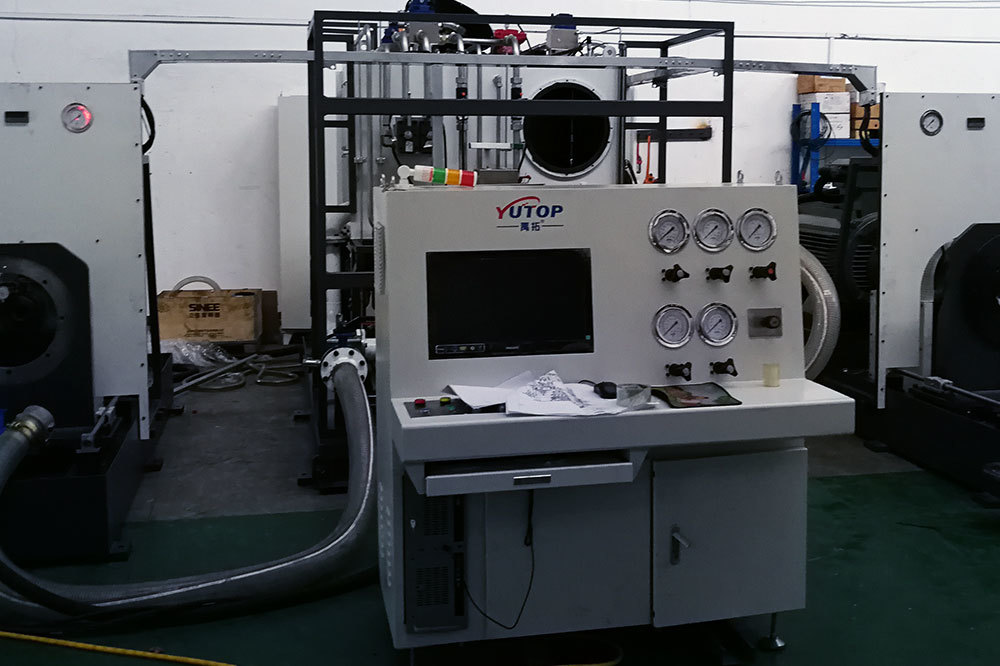
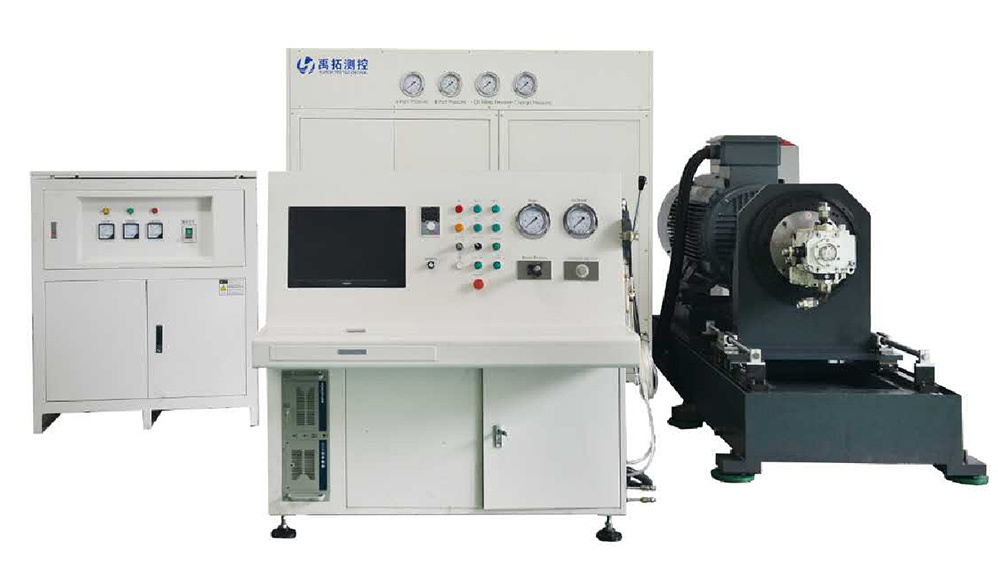
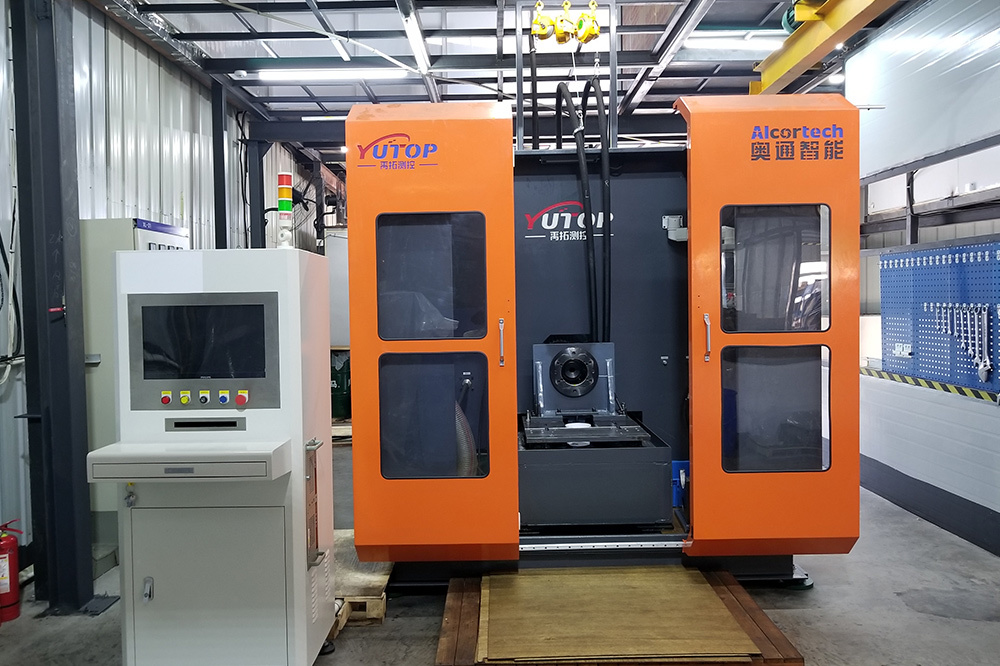
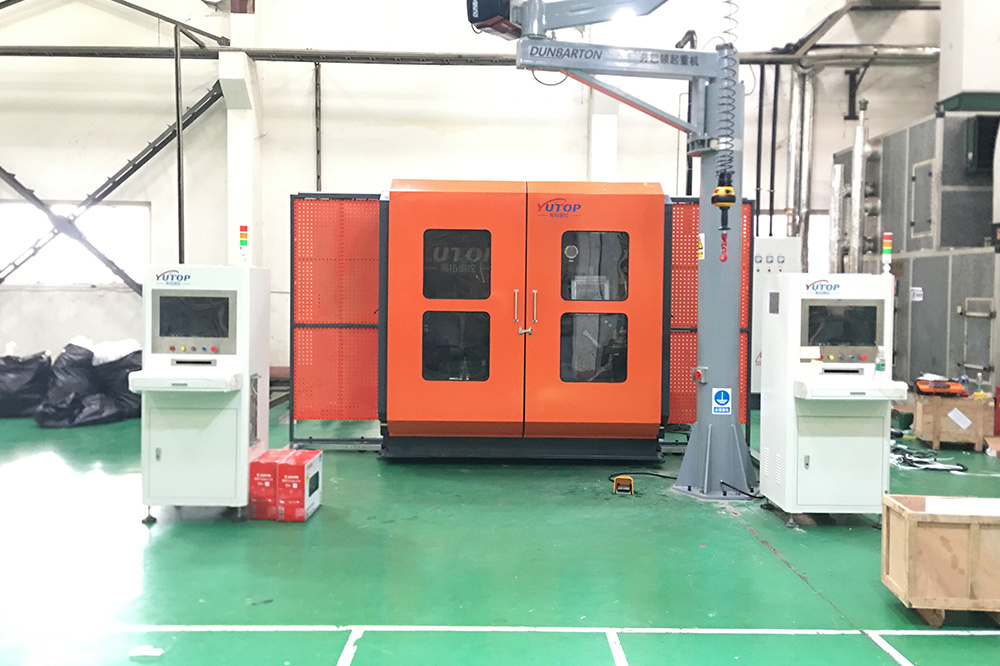
Several methodologies are employed to test hydraulic systems effectively. Each offers unique advantages, allowing operators to choose the most appropriate method for their needs.
5.1 Pressure Testing
This method assesses the pressure levels within the hydraulic system, ensuring they meet manufacturer specifications. By identifying any discrepancies, operators can take corrective action.
5.2 Flow Testing
Flow testing evaluates the flow rate of hydraulic fluid through the system. This test helps determine the efficiency of pumps and valves, ensuring they function optimally.
5.3 Fluid Analysis
Fluid analysis involves sampling hydraulic fluid to check for contamination, viscosity, and wear particles. This test is critical for understanding the health of the hydraulic system.
6. Key Benefits of Regular Hydraulic Testing
The advantages of regular testing of excavator hydraulics extend beyond immediate repairs. Here are some key benefits:
6.1 Enhanced Performance
Regular testing helps maintain optimal hydraulic performance. By ensuring that all components function correctly, excavators operate more efficiently, leading to improved productivity.
6.2 Reduced Downtime
Identifying and addressing issues early through regular testing minimizes unexpected breakdowns. This proactive approach reduces downtime, allowing excavators to remain operational longer.
6.3 Cost Savings
Investing in regular testing can lead to significant cost savings over time. By preventing major repairs and improving fuel efficiency, operators can lower their overall operational costs.
6.4 Extended Lifespan of Equipment
Regular maintenance, including testing, extends the lifespan of hydraulic components. This longevity reduces the frequency of replacements and contributes to a better return on investment.
6.5 Improved Safety
A well-maintained hydraulic system is safer for operators and other workers on site. Regular testing helps prevent accidents caused by hydraulic failures, ensuring a safer working environment.
7. Best Practices for Hydraulic Maintenance
Implementing best practices for hydraulic maintenance can significantly enhance the effectiveness of your excavator operations.
7.1 Scheduled Testing
Establish a regular schedule for hydraulic testing. Adhering to a routine ensures that systems are consistently monitored for any signs of wear or failure.
7.2 Proper Training for Operators
Ensure that operators are well-trained in the operation of hydraulic systems and the importance of regular testing. Knowledgeable operators can identify potential issues early and take appropriate action.
7.3 Use of Quality Components
Invest in high-quality hydraulic components and fluids. Using superior products contributes to better overall system performance and longevity.
7.4 Documentation and Record Keeping
Maintain detailed records of all hydraulic tests and maintenance activities. Documenting findings and actions taken helps track performance trends and identify recurring issues.
7.5 Engage Professional Services When Necessary
While regular testing can be performed in-house, engaging professional services for more complex assessments can provide additional insights and expertise.
8. Conclusion
In conclusion, regular testing of excavator hydraulics is essential for maximizing efficiency, reducing downtime, and ensuring the safety of operations. By proactively addressing potential issues through systematic testing, operators can maintain optimal performance and extend the lifespan of their equipment. The benefits of a well-functioning hydraulic system are numerous, leading to significant cost savings and improved productivity. Investing in regular hydraulic testing not only enhances the performance of your excavators but also contributes to a safer and more efficient work environment.
9. FAQs
What is the purpose of hydraulic testing in excavators?
Hydraulic testing is conducted to assess the efficiency and functionality of the hydraulic system. It helps identify potential issues such as leaks, contamination, and pressure inconsistencies.
How often should hydraulic systems be tested?
It is recommended to conduct hydraulic testing at regular intervals, typically every 1,000 hours of operation or as per the manufacturer’s guidelines.
What are the common signs of hydraulic issues?
Common signs include leaks, unusual noises, decreased performance, and inconsistent pressure readings.
Can I perform hydraulic testing myself?
While some basic testing can be performed in-house, engaging professional services for comprehensive assessments is advisable for more complex evaluations.
How can regular testing save costs?
Regular testing can prevent major repairs, reduce downtime, and enhance fuel efficiency, leading to significant cost savings in the long run.

Room 207, 2nd Floor, Block C, Building 1 (Self-designated), No. 3 Yunkai Road, Yunpu Industrial Zone, Huangpu District, Guangzhou City,China


