

Hydraulic Pump Performance Testing: Best Practices for Accurate Assessments
Hydraulic Pump Performance Testing: Best Practices for Accurate Assessments In the realm of automotive repair and testing, understanding hydraulic pump performance is critical for ensuring both safety and functionality. **Hydraulic pumps** are essential components in various systems, including automotive, industrial machinery, and numerous applications that require fluid power. Accurate performanc
Apr 28,2026
Hydraulic Pump Performance Testing: Best Practices for Accurate Assessments
In the realm of automotive repair and testing, understanding hydraulic pump performance is critical for ensuring both safety and functionality. **Hydraulic pumps** are essential components in various systems, including automotive, industrial machinery, and numerous applications that require fluid power. Accurate performance testing of these pumps is paramount to maintaining equipment efficiency and operational longevity. In this article, we will delve into the best practices for hydraulic pump performance testing, providing thorough insights to help technicians and engineers conduct precise assessments.
Table of Contents
- Understanding Hydraulic Pumps
- Importance of Performance Testing
- Preparation for Testing
- Testing Methods for Hydraulic Pumps
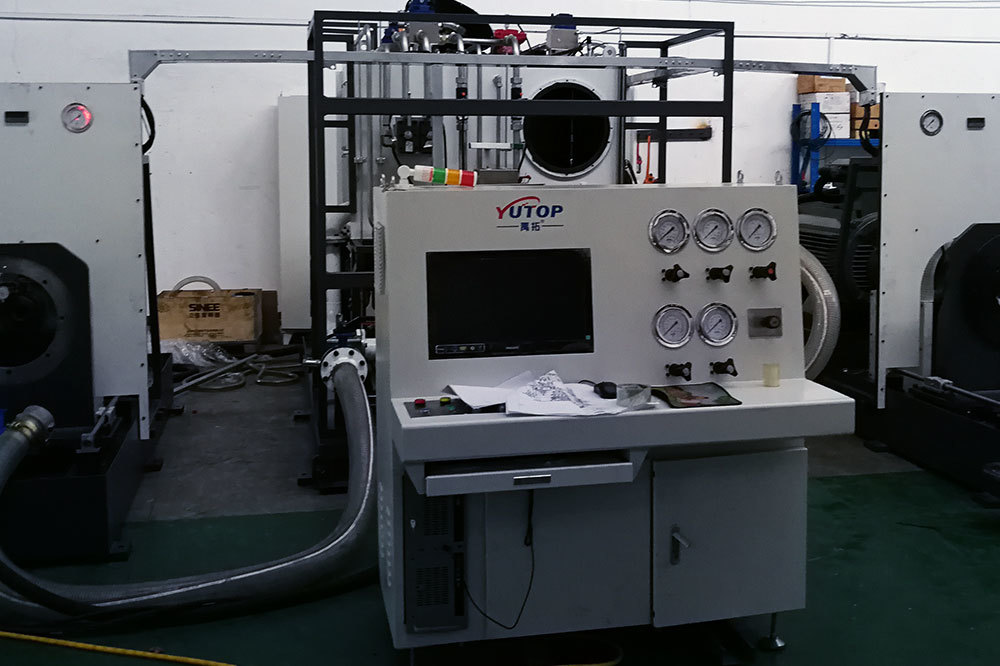
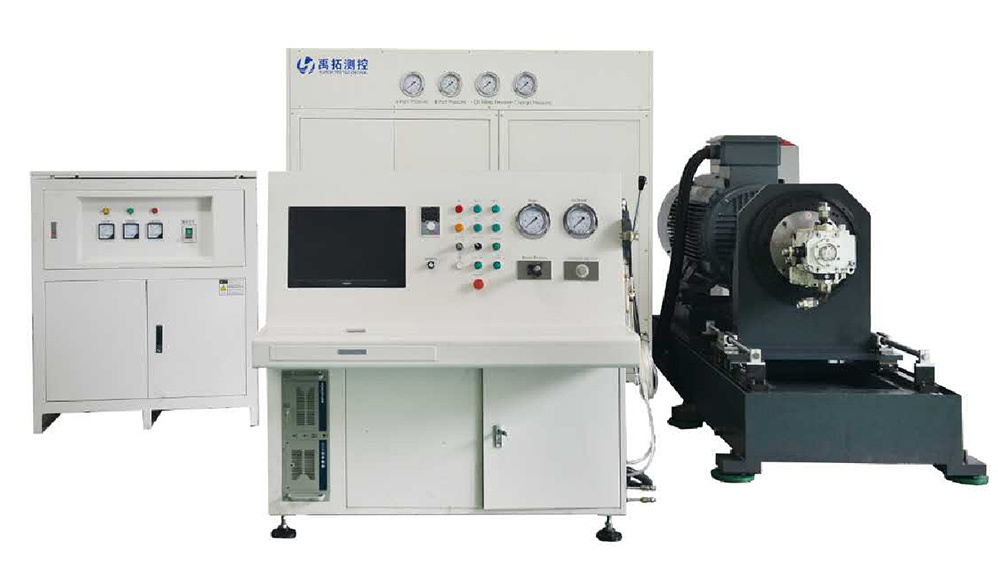
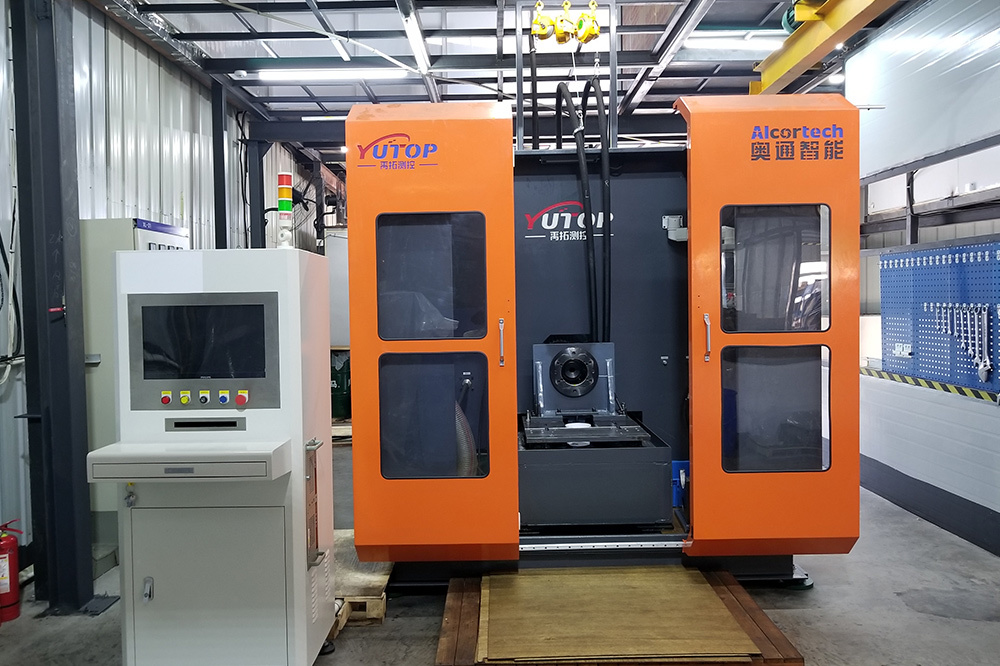
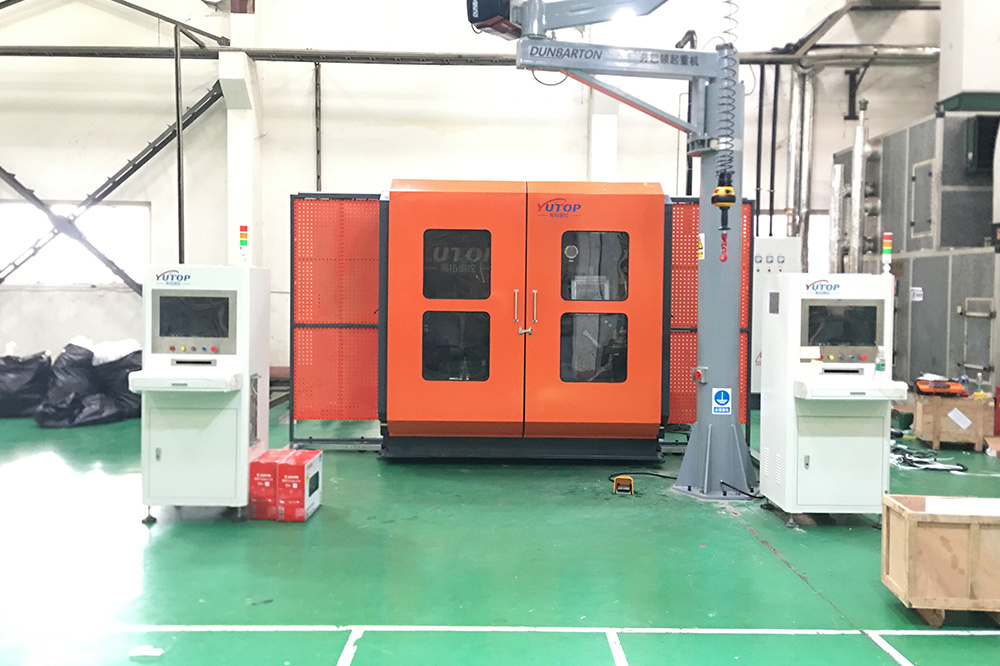
- Essential Tools and Equipment
- Interpreting Test Results
- Common Issues and Troubleshooting
- Best Practices in Hydraulic Pump Maintenance
- Conclusion
- FAQs
Understanding Hydraulic Pumps
Hydraulic pumps are devices that convert mechanical energy into hydraulic energy, generating fluid flow through hydraulic systems. They are categorized into several types, including **gear pumps**, **vane pumps**, and **piston pumps**, each serving distinct applications and offering varying degrees of efficiency. Understanding the specific type of hydraulic pump is essential for selecting the appropriate testing methods and interpreting results accurately. Knowledge of operational principles, such as pressure generation and flow rates, helps technicians to assess performance effectively.
The Role of Hydraulic Pumps in Automotive Systems
In automotive systems, hydraulic pumps play a crucial role in powering various components, including **braking systems**, **steering systems**, and **transmissions**. Their performance directly affects vehicle safety and reliability. Regular performance testing ensures these systems operate within optimal parameters, preventing potential failures that could lead to accidents or costly repairs.
Importance of Performance Testing
Accurate performance testing of hydraulic pumps is vital for several reasons:
- Safety: Regular testing helps identify potential failures before they occur, ensuring the safety of operators and vehicles.
- Efficiency: Assessing pump efficiency can lead to improved fuel economy and reduced operational costs.
- Longevity: By identifying wear and tear early, maintenance can be performed timely, extending the lifespan of hydraulic systems.
In essence, performance testing is not just a routine task; it is an investment in safety, efficiency, and the longevity of hydraulic systems.
Preparation for Testing
Before conducting performance tests, proper preparation is essential. This phase includes understanding the specifications of the hydraulic pump and its operating environment. Technicians should follow these steps:
Gathering Documentation
Collect technical documents related to the hydraulic pump, including the manufacturer's specifications, maintenance logs, and previous performance test results. This information provides a baseline for comparison.
Setting Up the Testing Environment
Ensure that the testing environment is safe and compliant with relevant regulations. This includes having adequate ventilation, emergency equipment, and safety gear for all personnel involved in the testing process.
Testing Methods for Hydraulic Pumps
Several methods can be employed to test hydraulic pump performance. Each method has its advantages and is chosen based on the specific requirements of the pump being tested.
Flow Testing
Flow testing involves measuring the output flow rate of the hydraulic pump under various load conditions. This method allows technicians to assess the pump’s ability to maintain flow rates within specified limits.
Pressure Testing
Pressure testing evaluates the pump's ability to generate and maintain pressure. This involves measuring the pressure output against the manufacturer’s specifications to identify any deviations that may indicate wear or failure.
Efficiency Testing
Efficiency testing calculates the hydraulic pump's efficiency by comparing the input power to the output power. This assessment helps in determining how well the pump converts mechanical energy into hydraulic energy and identifies potential areas for improvement.
Essential Tools and Equipment
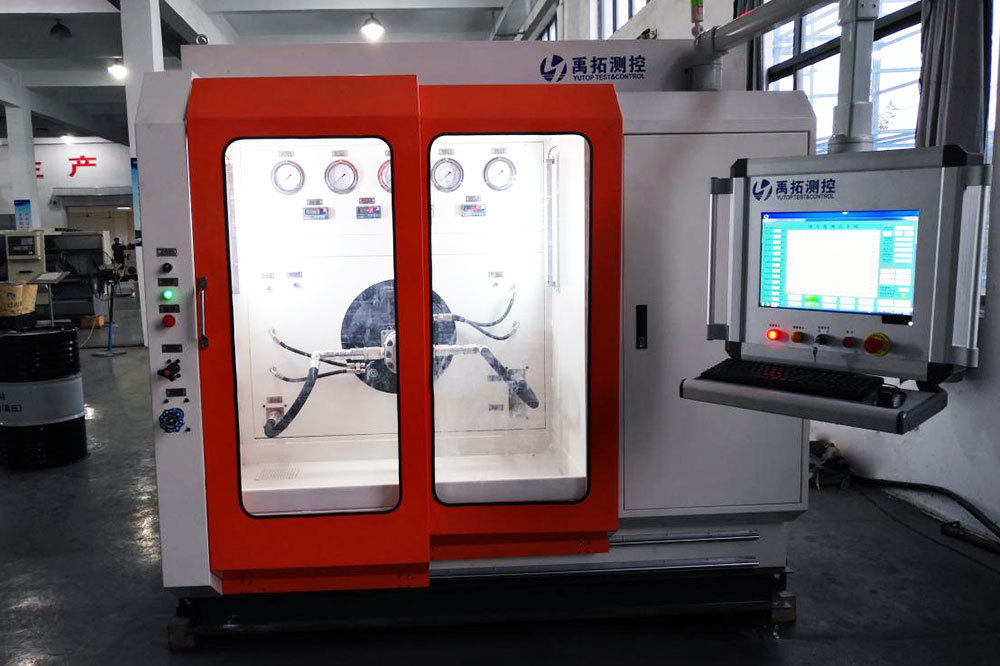
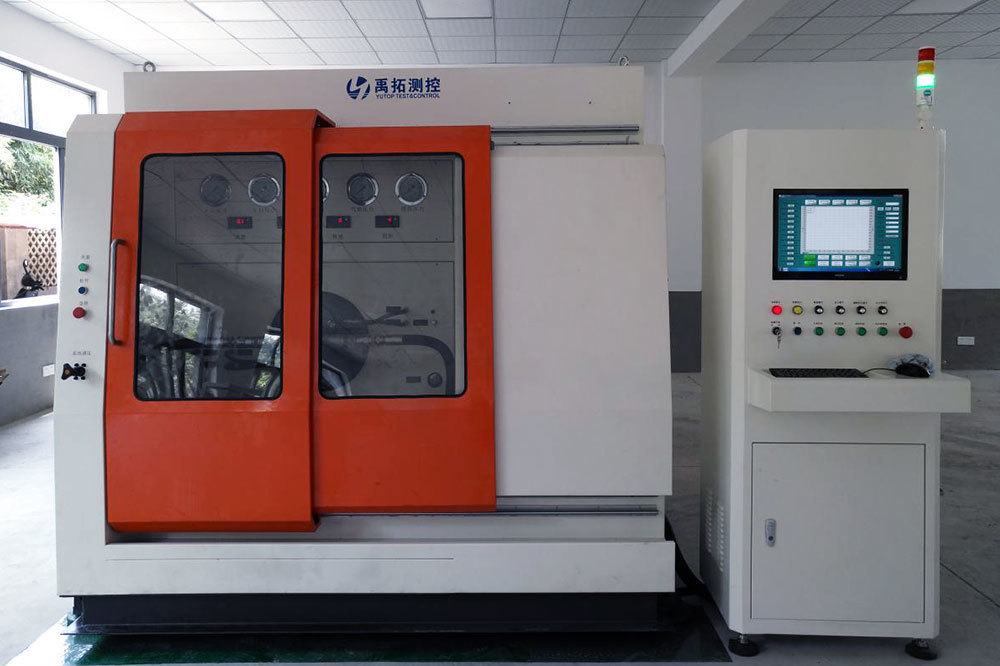
To conduct effective hydraulic pump performance testing, several tools and equipment are necessary:
- Flow Meters: Used for measuring the flow rate of hydraulic fluid.
- Pressure Gauges: Essential for monitoring the pressure output of the pump.
- Power Meters: Used to measure the input power to the hydraulic pump.
- Data Logging Equipment: Helps in capturing performance data for analysis.
Safety Equipment
Safety should always be a priority during testing. Ensure that all personnel wear appropriate safety gear, including goggles, gloves, and protective clothing. Additionally, make sure that the testing area is free from hazards and that emergency equipment is readily available.
Interpreting Test Results
Data analysis is a critical phase in hydraulic pump performance testing. Technicians must interpret the results accurately to make informed decisions regarding maintenance and repairs.
Establishing Baselines
Comparing test results to baseline data from previous tests provides insights into the pump’s performance trends. Significant deviations from established baselines indicate potential issues that require attention.
Identifying Performance Metrics
Key performance metrics to focus on include flow rate, pressure output, and efficiency percentages. Understanding these metrics helps in diagnosing potential problems and deciding on corrective actions.
Common Issues and Troubleshooting
Despite thorough testing, hydraulic pumps can still experience problems. Being able to identify and troubleshoot common issues is crucial for maintaining optimal performance.
Leakages
Leakages in hydraulic systems can lead to pressure drops and inefficient operation. Regular inspections and maintenance can help identify and resolve leaks before they become critical failures.
Noise and Vibration
Excessive noise and vibration can indicate misalignment or internal wear. Technicians should conduct thorough diagnostics to pinpoint the underlying causes and address them promptly.
Inconsistent Performance
Inconsistent flow rates or pressure outputs may signal issues with the pump's internal components or the hydraulic fluid itself. Regular checks on fluid quality and pump integrity are essential for consistent performance.
Best Practices in Hydraulic Pump Maintenance
To ensure the longevity and reliability of hydraulic pumps, adherence to best maintenance practices is essential:
Routine Inspections
Conduct routine visual inspections to check for signs of wear, leaks, and other potential issues. Early detection of problems can prevent costly downtime and repairs.
Fluid Quality Management
Maintain hydraulic fluid quality by adhering to recommended fluid change intervals and using proper filtration systems. Contaminated fluid can significantly affect pump performance and lifespan.
Regular Testing
Incorporate regular performance testing into your maintenance schedule. Consistent testing helps establish performance trends and allows for proactive maintenance measures.
Staff Training
Ensure that all personnel involved in hydraulic pump maintenance and testing are properly trained. Understanding the principles and practices of hydraulic systems is crucial for effective testing and maintenance.
Conclusion
Hydraulic pump performance testing is an essential aspect of maintaining effective and efficient hydraulic systems in automotive and industrial applications. By following best practices, utilizing appropriate testing methods, and interpreting results accurately, technicians can ensure optimal pump performance, safety, and longevity. Regular maintenance and testing not only extend the life of hydraulic pumps but also enhance the overall efficiency of machinery, ultimately leading to cost savings and improved functionality. Commitment to best practices in hydraulic pump performance testing is an investment in safety, efficiency, and long-term reliability.
FAQs
1. What is the purpose of hydraulic pump performance testing?
The purpose of hydraulic pump performance testing is to evaluate the pump's efficiency, identify potential issues, and ensure that it operates within specified parameters for safety and reliability.
2. How often should hydraulic pumps be tested?
Hydraulic pumps should be tested regularly, depending on usage and manufacturer recommendations. Routine inspection and testing can help identify issues early.
3. What tools are essential for hydraulic pump testing?
Essential tools for hydraulic pump testing include flow meters, pressure gauges, power meters, and data logging equipment.
4. What are common signs of hydraulic pump failure?
Common signs of hydraulic pump failure include unusual noise, vibration, leaks, and inconsistent performance in flow and pressure.
5. How can I improve the accuracy of performance testing?
To improve the accuracy of performance testing, ensure proper setup, use calibrated instruments, and compare results against established baselines for more reliable assessments.
PREVIOUS:

Room 207, 2nd Floor, Block C, Building 1 (Self-designated), No. 3 Yunkai Road, Yunpu Industrial Zone, Huangpu District, Guangzhou City,China


