

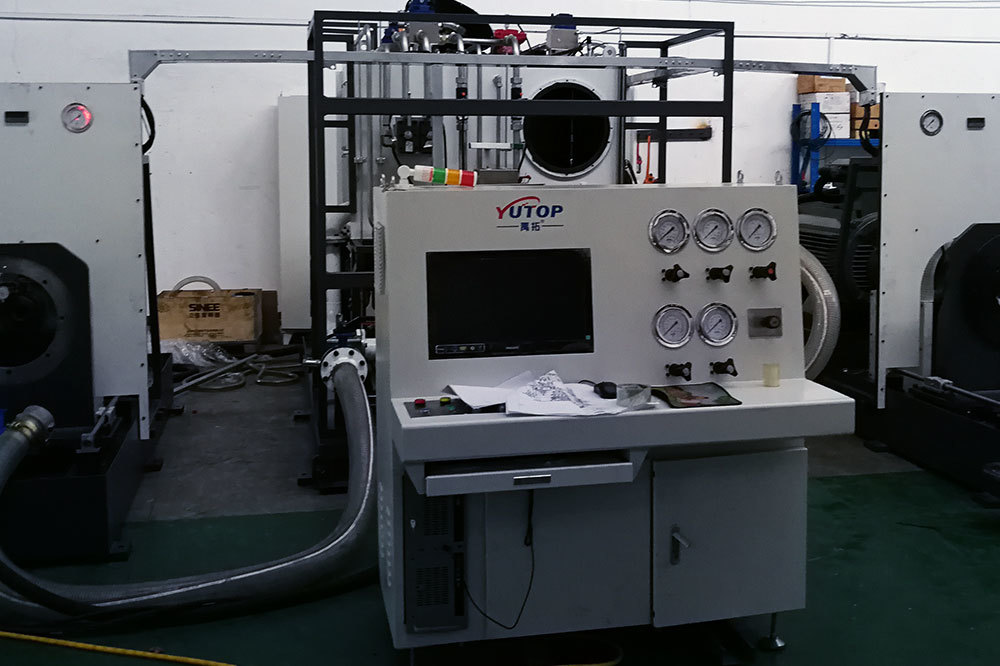
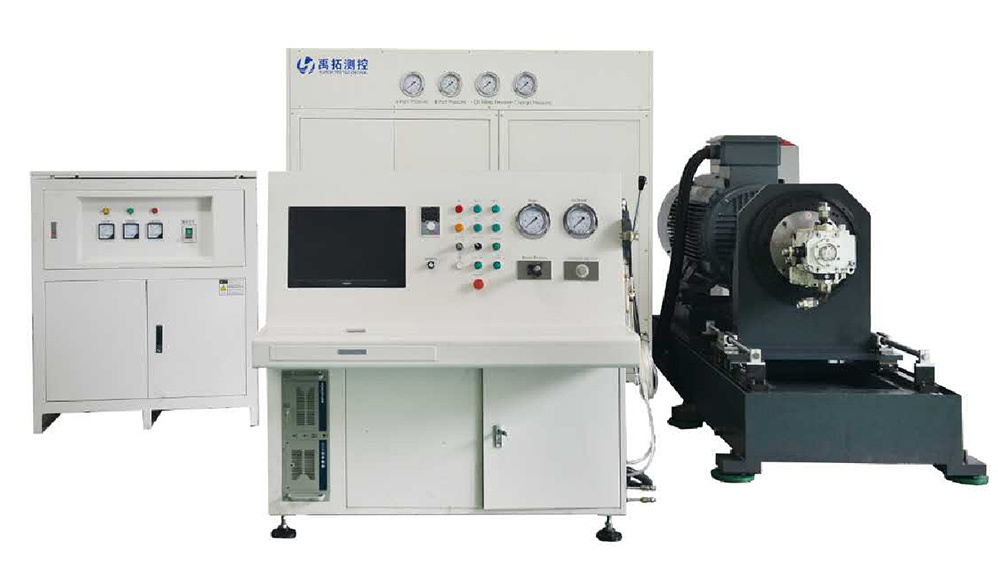
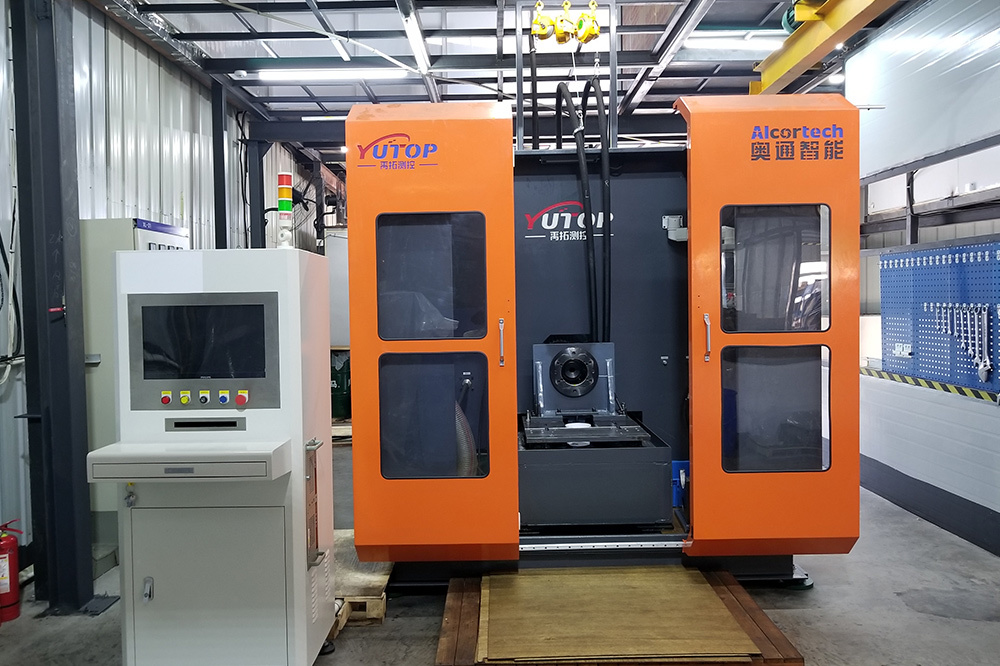
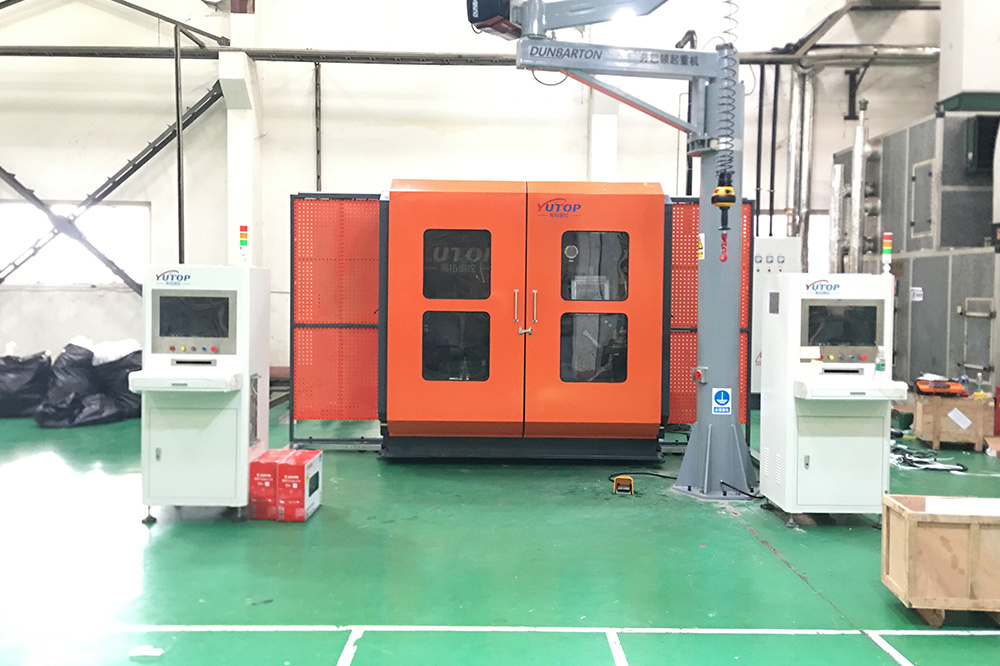
Hydraulic Testing and Control: A Comprehensive Solution for Modern Electrical Applications
Hydraulic Testing and Control: A Comprehensive Solution for Modern Electrical Applications Table of Contents 1. Introduction to Hydraulic Testing and Control 2. Importance of Hydraulic Testing in Electrical Applications 3. Types of Hydraulic Tests 3.1 Pressure Testing 3.2 Leak Testing 3.3 Flow Testing 4. Advanced Control System
May 04,2026

Hydraulic Testing and Control: A Comprehensive Solution for Modern Electrical Applications
Table of Contents
- 1. Introduction to Hydraulic Testing and Control
- 2. Importance of Hydraulic Testing in Electrical Applications
- 3. Types of Hydraulic Tests
- 4. Advanced Control Systems in Hydraulic Applications
- 5. Applications of Hydraulic Testing and Control
- 6. Best Practices for Hydraulic Testing
- 7. The Future of Hydraulic Testing and Control
- 8. Frequently Asked Questions
- 9. Conclusion
1. Introduction to Hydraulic Testing and Control
Hydraulic testing is an indispensable process in modern electrical applications, ensuring that systems function optimally under various conditions. In industries such as manufacturing, automotive, and energy, hydraulic systems control the power and movement of machinery. This article explores the critical elements of hydraulic testing and control, offering a detailed understanding of its significance, types, applications, and future trends.
2. Importance of Hydraulic Testing in Electrical Applications
Hydraulic testing serves multiple purposes in the realm of electrical applications. These include:
- **Ensuring Safety**: Hydraulic testing verifies that systems are leak-free and can handle maximum pressure, safeguarding users and equipment.
- **Improving Efficiency**: Identifying and rectifying issues during testing translates to enhanced operational efficiency and reduced downtime.
- **Regulatory Compliance**: Many industries mandate compliance with specific standards, requiring rigorous testing to meet safety and performance benchmarks.
Implementing hydraulic testing can significantly impact the longevity and performance of electrical systems, making it a priority for any organization involved in such applications.
3. Types of Hydraulic Tests
Understanding the different types of hydraulic tests can aid in selecting the right approach for specific electrical applications. Below are the primary testing methods:
3.1 Pressure Testing
Pressure testing involves subjecting hydraulic systems to increased pressure levels to identify potential weaknesses. This method is vital for:
- Assessing the integrity of pipes, hoses, and fittings.
- Preventing future leaks that could lead to operational failures.
Pressure testing is often governed by industry standards that dictate the required pressure levels and testing duration.
3.2 Leak Testing
Leak testing is a focused approach that identifies any leaks in hydraulic systems. This can be achieved through:
- **Dye Penetration Testing**: Applying a dye to the system highlights any leaks visually.
- **Ultrasonic Testing**: Specialized equipment detects sound waves generated by leaks, providing an accurate assessment.
By ensuring that systems are leak-free, organizations can prevent costly repairs and maintain operational integrity.
3.3 Flow Testing
Flow testing measures the rate and quality of fluid movement through hydraulic systems. Essential components of flow testing include:
- **Flow Rate**: Determining the volume of fluid passing through a given point within a timeframe helps in optimizing system performance.
- **Pressure Drop**: Monitoring pressure changes during flow testing identifies potential blockages or inefficiencies.
Flow testing is critical for systems requiring precise control of hydraulic fluids, directly impacting the performance of electrical applications.
4. Advanced Control Systems in Hydraulic Applications
Modern hydraulic systems increasingly rely on advanced control technologies to enhance performance and reliability. The integration of these control systems leads to several benefits, including:
4.1 Automation in Hydraulic Control
Automation in hydraulic control enhances efficiency and precision. By employing automated systems, organizations can:
- **Reduce Human Error**: Automated systems minimize the risk of errors during operation and testing.
- **Increase Responsiveness**: Real-time monitoring and adjustments ensure systems respond promptly to changes in pressure and flow.
Automation streamlines processes, making hydraulic systems more reliable and productive.
4.2 Safety Features in Control Systems
Safety is paramount in hydraulic applications. Advanced control systems now incorporate several safety features, such as:
- **Pressure Relief Valves**: These prevent over-pressurization, safeguarding the system and personnel.
- **Emergency Shutdown Mechanisms**: Quick response features enable immediate cessation of operations in unsafe conditions.
Incorporating these safety features ensures compliance with industry standards while protecting the integrity of hydraulic systems.
5. Applications of Hydraulic Testing and Control
Hydraulic testing and control have a wide range of applications across various sectors. Understanding these applications helps organizations leverage hydraulic systems effectively.
5.1 Industrial Use Cases
In industrial settings, hydraulic testing and control play critical roles in:
- **Manufacturing**: Hydraulic presses and lifts require rigorous testing to ensure performance and safety.
- **Automotive**: Hydraulic systems in vehicles, such as brake systems, necessitate thorough testing for reliability.
In these industries, the integration of hydraulic testing is essential for maintaining operational standards and preventing failures.
5.2 Commercial Use Cases
In commercial applications, hydraulic testing and control are vital in:
- **Construction**: Hydraulic equipment requires effective testing to ensure that it can handle demanding conditions.
- **Energy**: Hydraulic systems in power generation must be tested for compliance with safety regulations.
The application of hydraulic testing in these scenarios ensures that systems operate efficiently and safely, protecting investments and personnel.
6. Best Practices for Hydraulic Testing
Implementing best practices for hydraulic testing can enhance the effectiveness of procedures and ensure accurate results. Key practices include:
- **Regular Maintenance**: Routine inspections and maintenance of hydraulic systems can prevent issues before they escalate.
- **Proper Training**: Ensure that personnel are well-trained in hydraulic testing procedures and safety protocols.
- **Utilizing Advanced Equipment**: Employing state-of-the-art testing equipment enhances accuracy and reliability.
By adhering to these best practices, organizations can optimize their hydraulic testing processes, leading to improved system performance.
7. The Future of Hydraulic Testing and Control
The future of hydraulic testing and control is poised for significant advancements, driven by technological innovations. Trends to watch include:
- **IoT Integration**: The Internet of Things (IoT) is expected to revolutionize hydraulic systems, enabling remote monitoring and real-time analysis.
- **Data Analytics**: Advanced data analytics can offer insights into system performance, allowing for predictive maintenance and optimization strategies.
These innovations will not only enhance the efficiency of hydraulic systems but also ensure greater safety and reliability in electrical applications.
8. Frequently Asked Questions
What is hydraulic testing?
Hydraulic testing is a process that evaluates the integrity and performance of hydraulic systems by subjecting them to various pressures and conditions.
Why is hydraulic testing important?
It is essential for ensuring safety, improving efficiency, and maintaining regulatory compliance in hydraulic systems used across various applications.
What types of hydraulic tests are commonly performed?
The most common types include pressure testing, leak testing, and flow testing.
How can automation improve hydraulic control systems?
Automation reduces human error, increases responsiveness, and enhances overall system performance.
What are the future trends in hydraulic testing and control?
Future trends include IoT integration for real-time monitoring and advanced data analytics for predictive maintenance.
9. Conclusion
Hydraulic testing and control are critical components of modern electrical applications, ensuring systems operate safely and efficiently. By understanding the various types of hydraulic tests, the importance of advanced control technologies, and best practices for implementation, organizations can enhance their operational reliability and performance. As the industry evolves with technological advancements, staying informed and adaptable will be key to leveraging the full potential of hydraulic systems in electrical applications. Embracing these practices will not only lead to improved safety and compliance but also foster innovation in hydraulic technology.

Room 207, 2nd Floor, Block C, Building 1 (Self-designated), No. 3 Yunkai Road, Yunpu Industrial Zone, Huangpu District, Guangzhou City,China


