

How to Set Up Your Piston Pump Testing Equipment for Optimal Results
How to Set Up Your Piston Pump Testing Equipment for Optimal Results Setting up your piston pump testing equipment is crucial for achieving accurate and reliable results. In this detailed guide, we will explore the step-by-step process of setting up your testing equipment, the essential components involved, and best practices for maintaining optimal performance. By following our recommendations, y
May 10,2026
How to Set Up Your Piston Pump Testing Equipment for Optimal Results
Setting up your piston pump testing equipment is crucial for achieving accurate and reliable results. In this detailed guide, we will explore the step-by-step process of setting up your testing equipment, the essential components involved, and best practices for maintaining optimal performance. By following our recommendations, you will ensure that your piston pump testing is effective and consistent.
Table of Contents
- Understanding Piston Pumps
- Importance of Testing Piston Pumps
- Essential Equipment for Testing Piston Pumps
- Setting Up Your Testing Environment
- Step-by-Step Guide to Setup
- Best Practices for Testing Piston Pumps
- Troubleshooting Common Issues
- Conclusion
- FAQs
Understanding Piston Pumps
Piston pumps are a type of positive displacement pump that utilize a piston to move fluids through a cylinder. They are widely used in various industrial applications due to their efficiency, high-pressure capabilities, and ability to handle viscous fluids. Understanding the components of a piston pump, such as the cylinder, piston, and valves, is essential for effective testing.
The piston creates a vacuum that draws fluid into the cylinder during the intake stroke. This process is followed by the discharge stroke, where the fluid is expelled under pressure. The ability to accurately measure these cycles and the fluid's response to varying pressures is key to evaluating the pump's performance.
Importance of Testing Piston Pumps
Regular testing of piston pumps is vital for several reasons:
1. **Performance Verification:** Testing ensures that the pump operates within the specified parameters, validating its design and function.
2. **Preventive Maintenance:** Regular testing helps detect potential issues before they escalate, thereby reducing downtime and maintenance costs.
3. **Safety Assurance:** Properly functioning piston pumps prevent leaks and failures that could lead to hazardous situations.
4. **Quality Control:** Consistent testing guarantees that the products being processed meet quality standards and specifications.
In industries where precision and reliability are critical, thorough testing of piston pumps cannot be overlooked.
Essential Equipment for Testing Piston Pumps
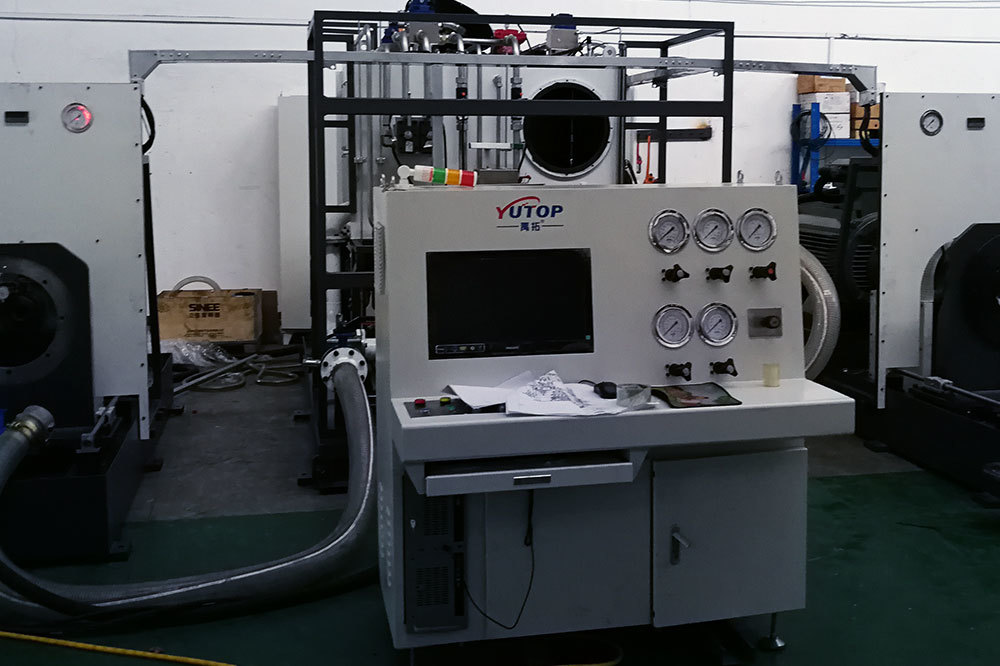
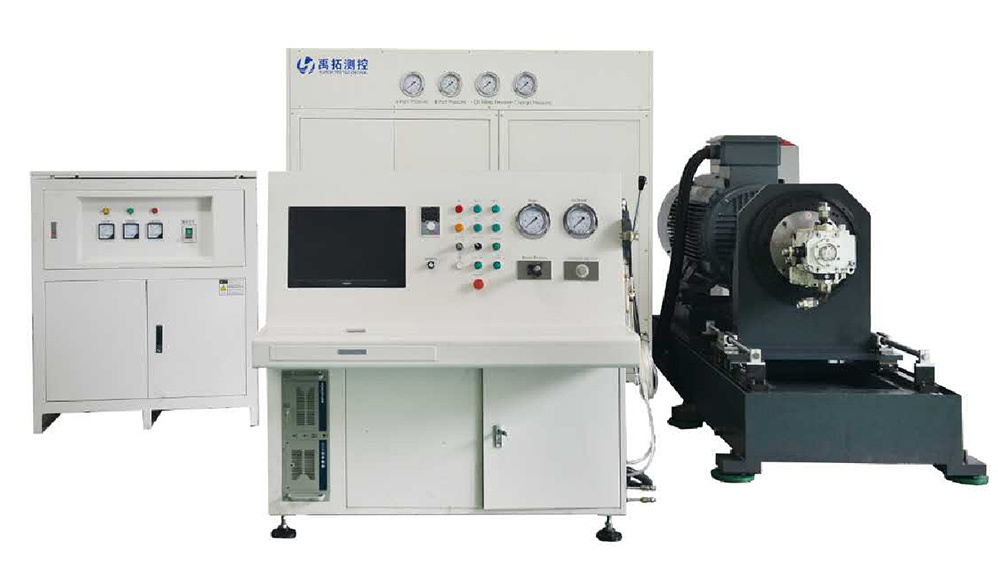
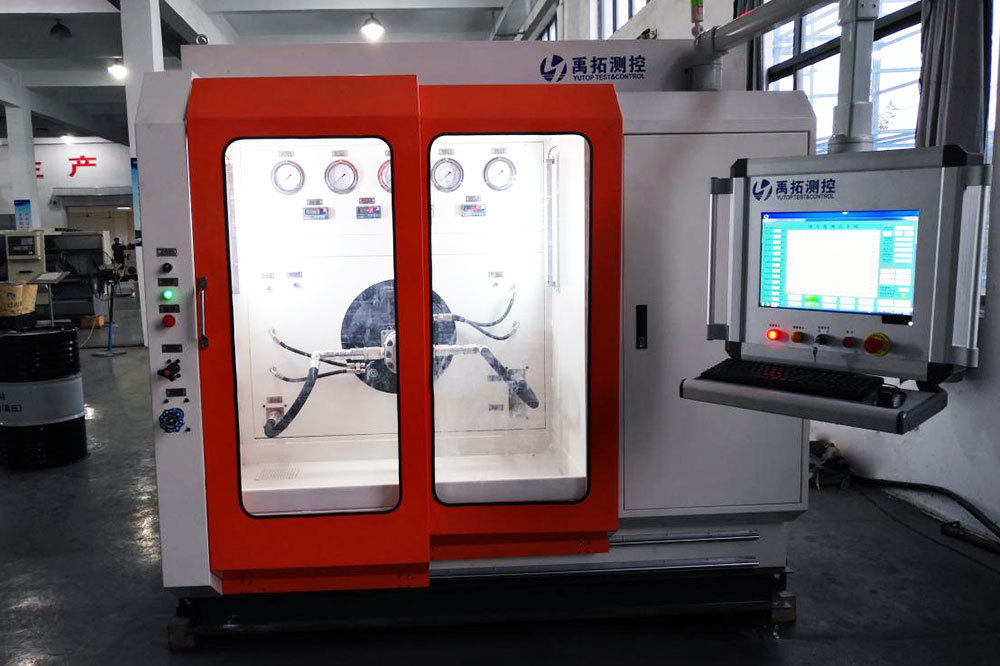
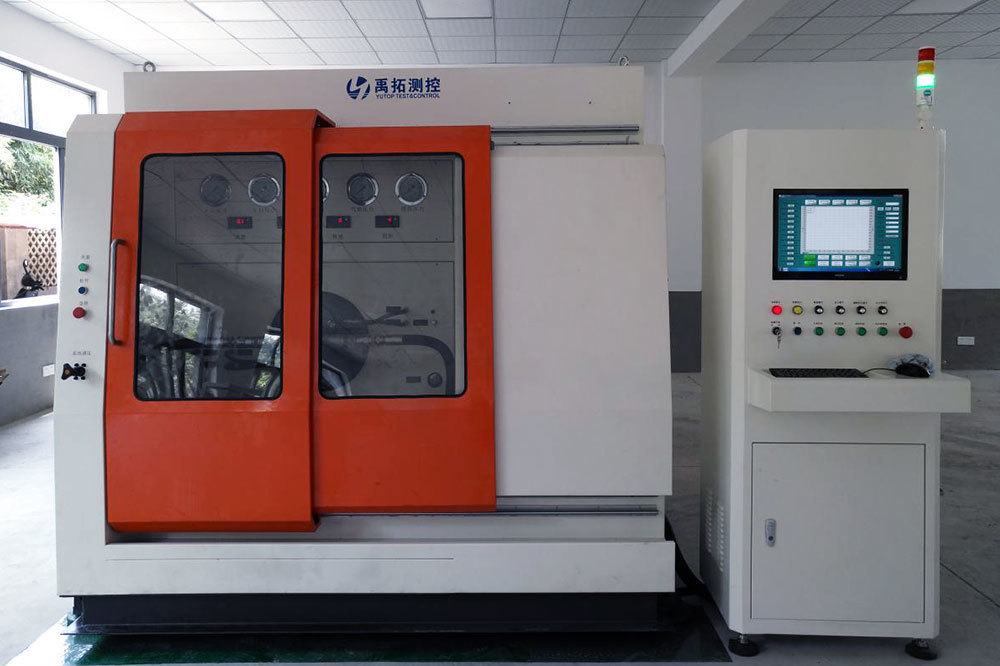
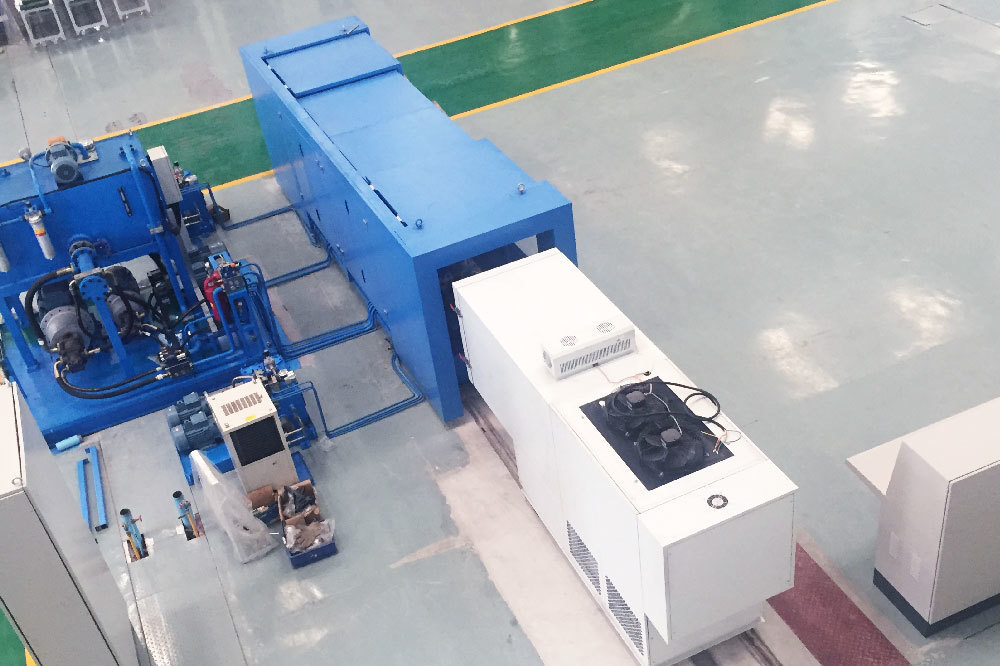
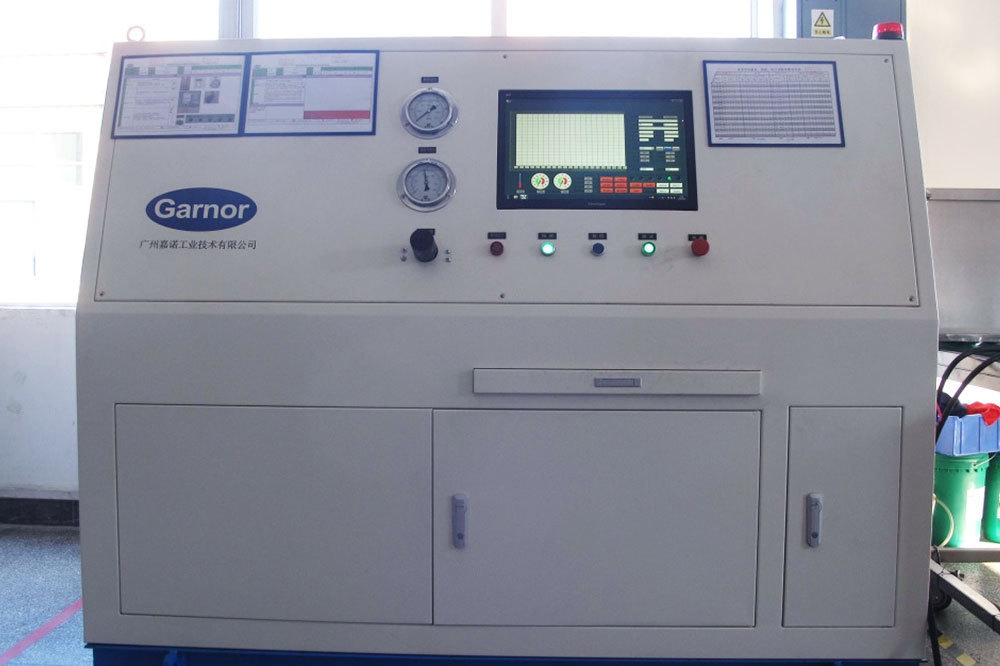
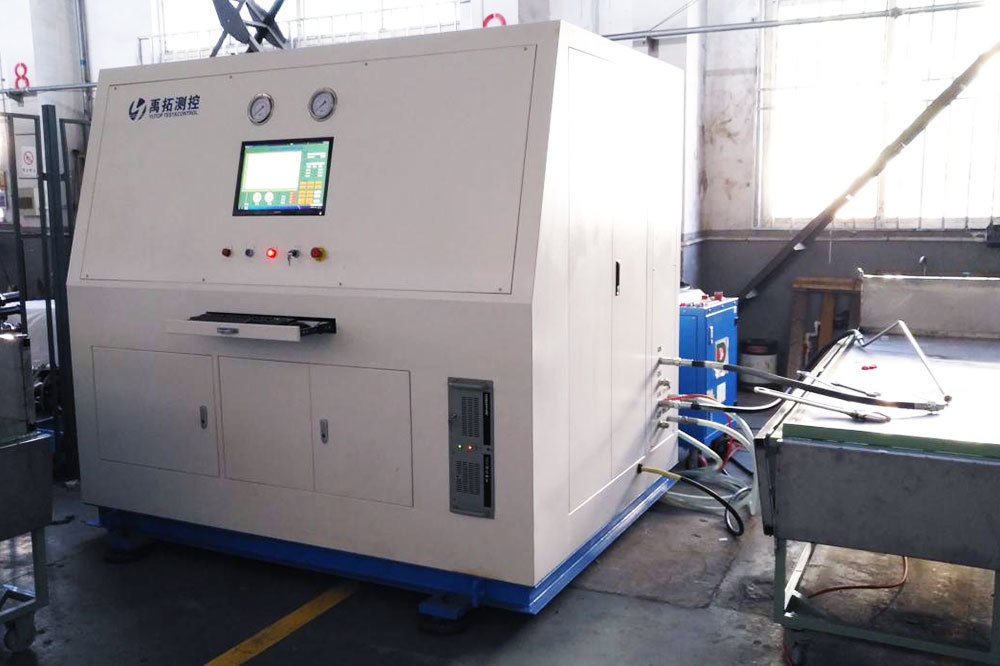
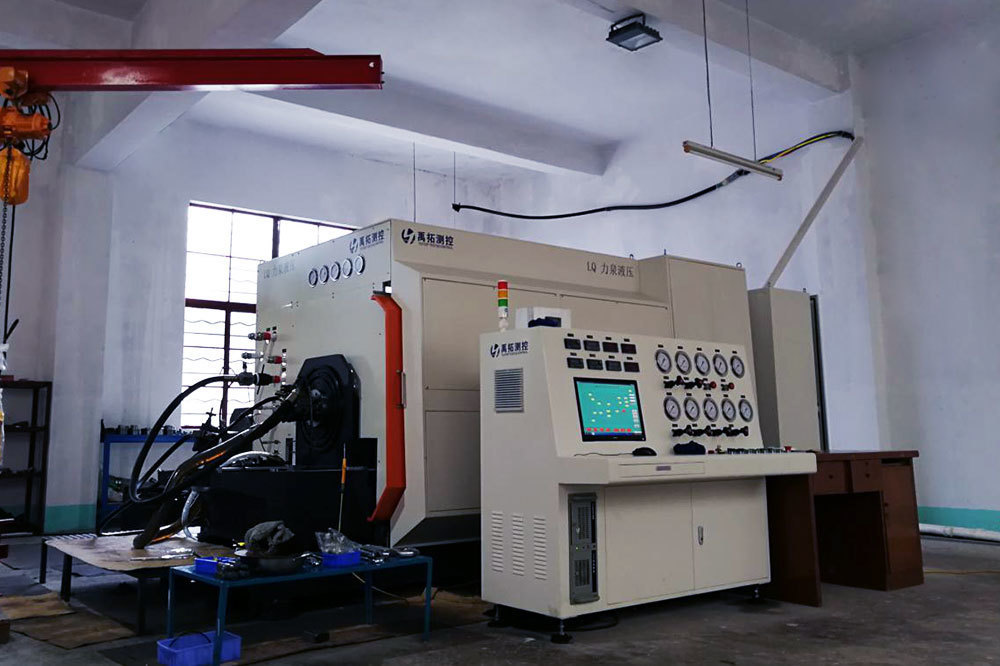
To conduct effective piston pump testing, specific equipment is required. Below are the essential components for setting up your testing environment:
1. Pressure Gauges
Pressure gauges are crucial for measuring the discharge pressure of the pump. They provide real-time feedback on the pump's performance and help identify any fluctuations in pressure during operation.
2. Flow Meters
Flow meters measure the volume of fluid being pumped over time. This data is essential for assessing the pump’s efficiency and performance across different operational conditions.
3. Data Acquisition System (DAS)
A data acquisition system collects and analyzes data from the pressure gauges and flow meters. This system allows for real-time monitoring and comprehensive analysis of pump performance.
4. Control Valves
Control valves regulate the flow of fluid in the testing setup. They allow for precise control over the testing conditions, including pressure and flow rate.
5. Test Stand
A solid test stand is necessary to mount the piston pump securely during testing. This stand should be designed to withstand the forces generated during operation.
6. Safety Equipment
Safety equipment, including pressure relief valves and protective gear, is essential to ensure safety during testing. These components help prevent accidents and protect personnel.
Setting Up Your Testing Environment
Creating an optimal testing environment for your piston pump involves several considerations:
1. Location
Choose a location that minimizes external influences such as vibrations or temperature fluctuations. A dedicated testing area helps maintain consistency.
2. Cleanliness
Ensure the testing area is clean and free from contaminants. Dust and debris can affect the performance of the pump and compromise testing accuracy.
3. Equipment Layout
Arrange the testing equipment in a logical manner to facilitate easy access. Ensure that all components are correctly connected and that there is a clear flow path for the fluid.
4. Calibration
Calibrate all measuring instruments before beginning tests. Regular calibration ensures accuracy and reliability in collected data.
Step-by-Step Guide to Setup
Follow these detailed steps to set up your piston pump testing equipment effectively:
Step 1: Assemble the Equipment
Start by assembling all necessary components, including the piston pump, pressure gauges, flow meters, and control valves. Ensure that everything is in good working condition.
Step 2: Connect the Equipment
Connect the pressure gauges and flow meters to the appropriate ports on the piston pump. Ensure secure fittings to prevent leaks. Install control valves on the inlet and outlet pipes for better flow management.
Step 3: Set Up the Data Acquisition System
Connect the data acquisition system to your measuring instruments. Ensure that it is correctly configured to record data during testing.
Step 4: Secure the Pump
Mount the piston pump on the test stand. Ensure that it is firmly in place to avoid any movement during operation.
Step 5: Conduct a Pre-Test Check
Before starting the test, conduct a thorough pre-test check. Inspect all connections, calibrate instruments, and verify that the testing environment is clean and organized.
Step 6: Start the Test
Gradually initiate the pump and monitor pressure and flow rates. Record data at regular intervals for analysis.
Step 7: Analyze the Data
After completing the tests, analyze the data collected. Look for patterns and anomalies that could indicate performance issues or areas for improvement.
Best Practices for Testing Piston Pumps
To achieve optimal results during piston pump testing, consider the following best practices:
1. Follow Manufacturer Guidelines
Always adhere to the manufacturer's specifications and guidelines for testing. This ensures that you operate the pump within its designed parameters.
2. Maintain a Consistent Testing Environment
Consistency is key. Maintain stable temperature and pressure conditions during testing to ensure accurate and comparable results.
3. Regularly Calibrate Equipment
Implement a routine calibration schedule for all measuring instruments to ensure ongoing accuracy.
4. Document All Tests
Keep detailed records of all testing procedures, results, and any maintenance performed. This documentation is invaluable for troubleshooting and future reference.
5. Train Personnel
Ensure that all personnel involved in testing are adequately trained. This minimizes errors and enhances safety during operations.
Troubleshooting Common Issues
Despite careful setup, issues may arise during piston pump testing. Here are some common problems and their solutions:
1. Fluctuating Pressure Readings
If you notice fluctuating pressure readings, check for leaks in the connections. Ensure that all fittings are tight and that there are no blockages in the piping.
2. Inconsistent Flow Rates
Inconsistent flow rates may indicate a malfunctioning flow meter or insufficient pump speed. Verify that the flow meter is calibrated and functioning correctly.
3. Unusual Noises
Unusual noises during operation could signal mechanical issues within the pump. Stop the test immediately and inspect the pump for any signs of wear or damage.
4. Overheating
If the pump overheats, check for proper fluid levels and ensure that the pump is not being overpressurized. Allow the pump to cool down before continuing with tests.
Conclusion
Setting up your piston pump testing equipment correctly is essential for achieving optimal results. By understanding the components involved, following a systematic setup process, and adhering to best practices, you can ensure accurate and reliable testing outcomes. Regular testing not only enhances performance but also plays a critical role in preventive maintenance and safety assurance. With proper setup and maintenance, your piston pumps will operate efficiently, contributing to the overall success of your industrial operations.
FAQs
1. How often should piston pumps be tested?
Regular testing is recommended based on operational demands, but a quarterly schedule is ideal for most applications.
2. What are the most common causes of piston pump failure?
Common causes include wear and tear, improper maintenance, and issues with fluid viscosity.
3. Can I perform piston pump testing without specialized equipment?
While basic tests can be performed, using specialized equipment ensures accuracy and reliability.
4. What safety precautions should I take during testing?
Always wear appropriate personal protective equipment and ensure that emergency shut-off mechanisms are in place.
5. How can I improve the efficiency of my piston pump?
Regular maintenance, proper calibration, and adherence to manufacturer specifications can significantly enhance pump efficiency.

Room 207, 2nd Floor, Block C, Building 1 (Self-designated), No. 3 Yunkai Road, Yunpu Industrial Zone, Huangpu District, Guangzhou City,China


