

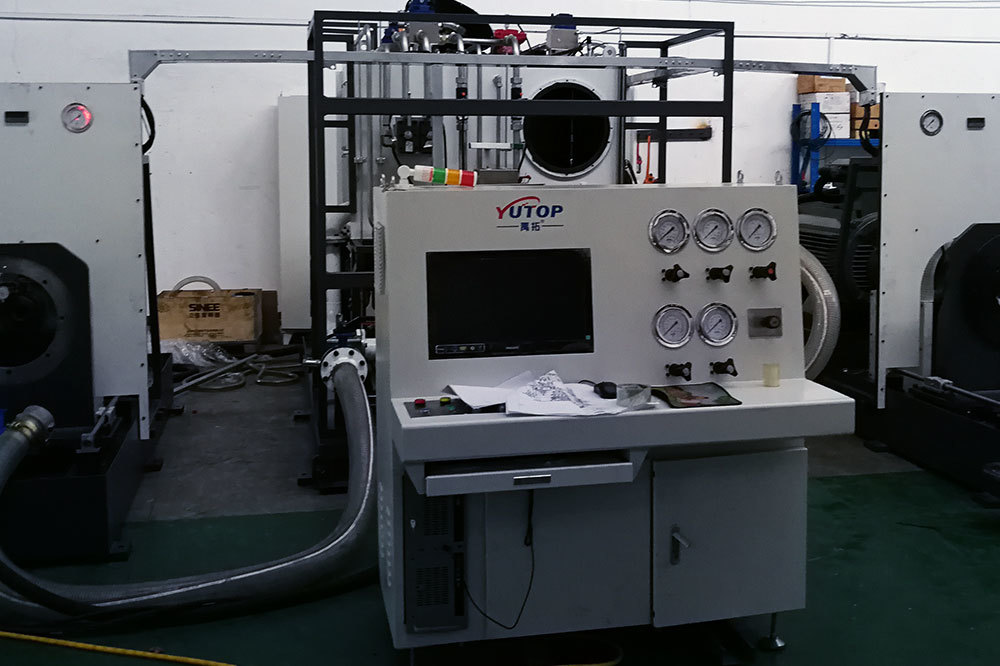
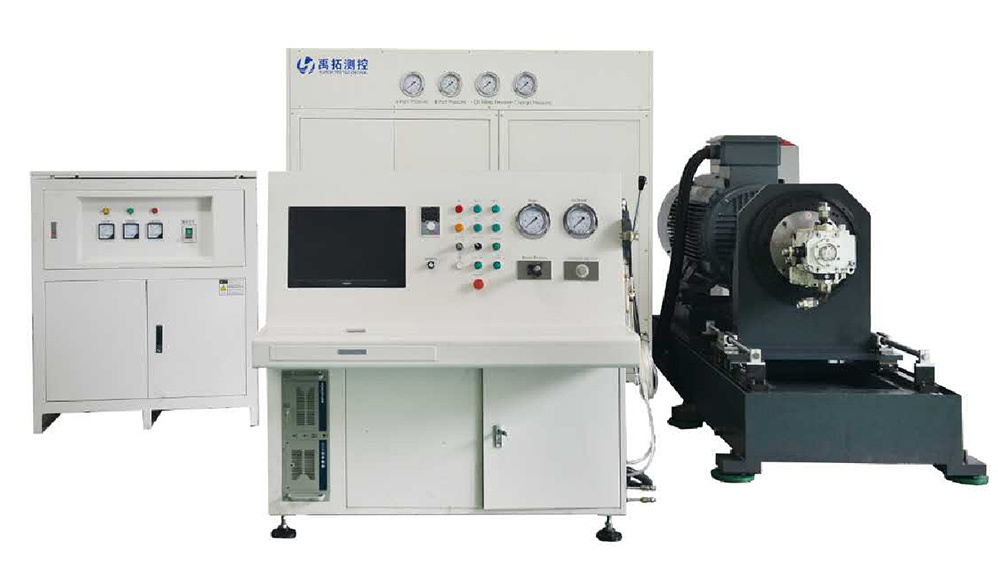
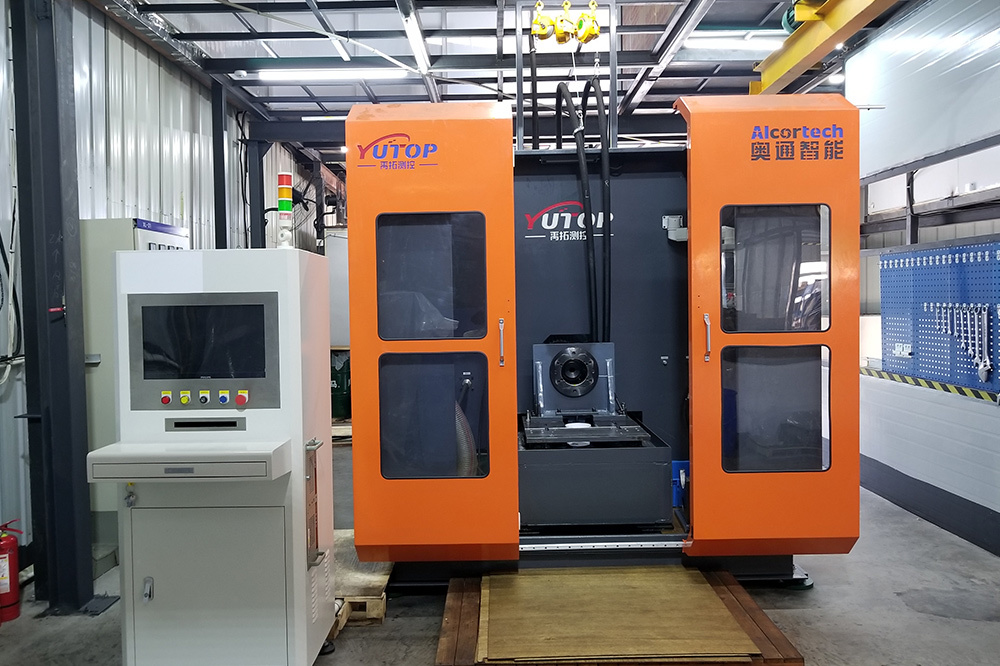
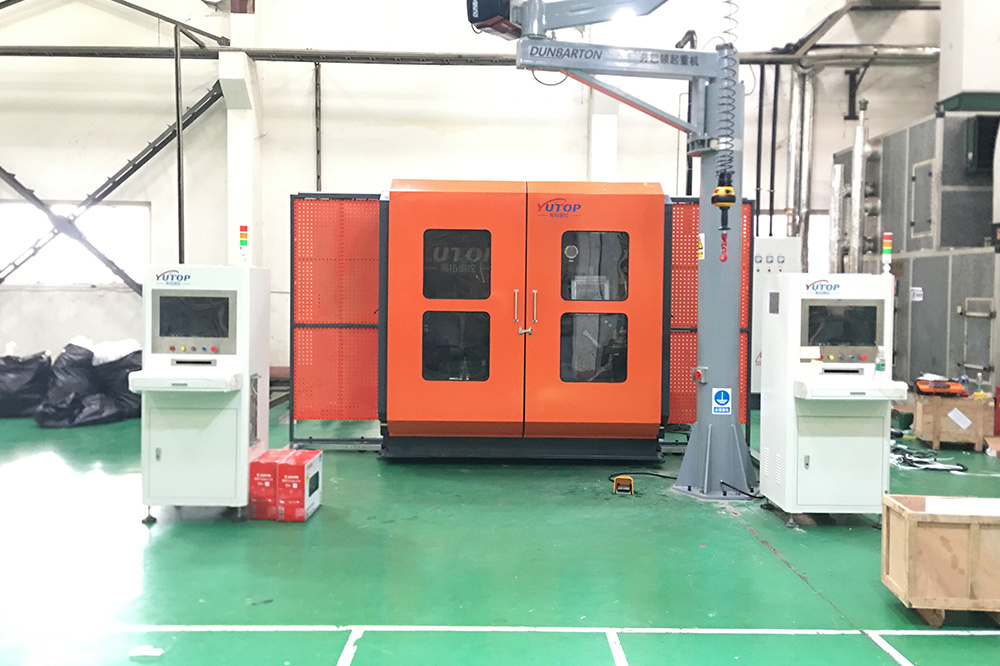
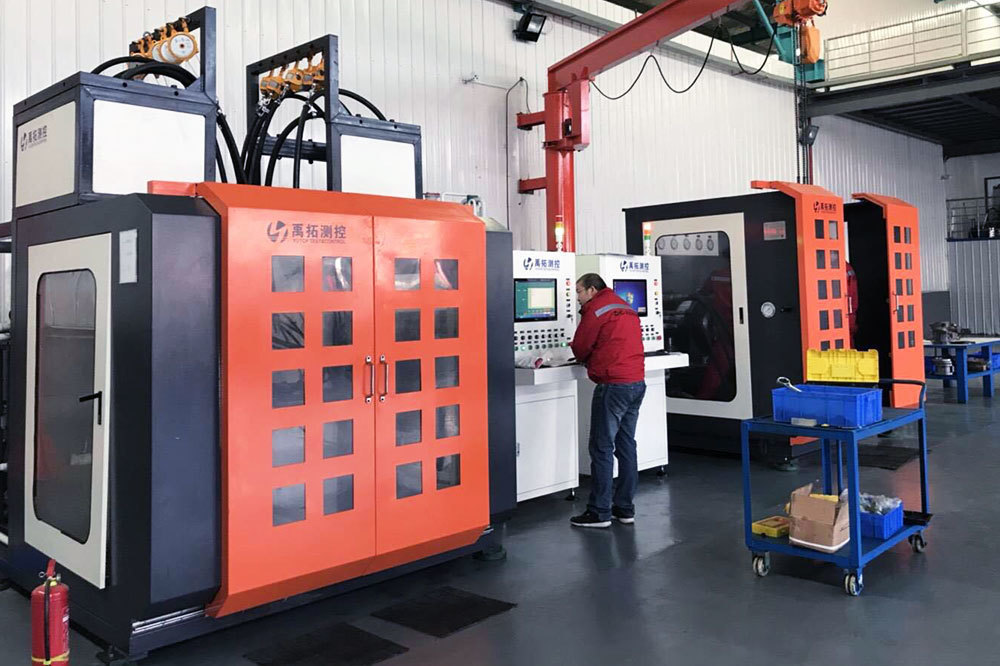
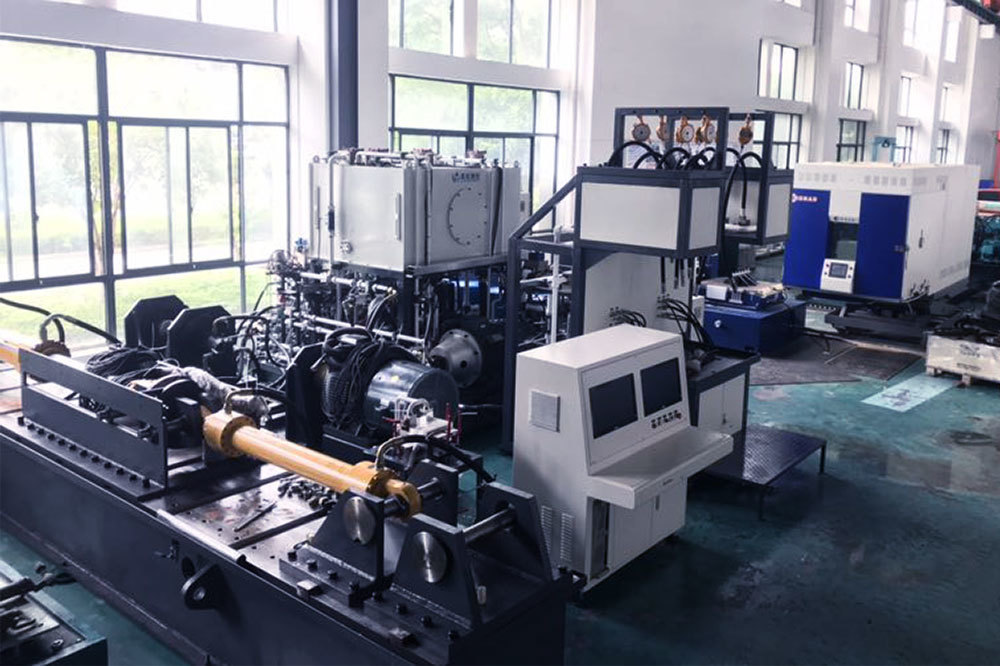
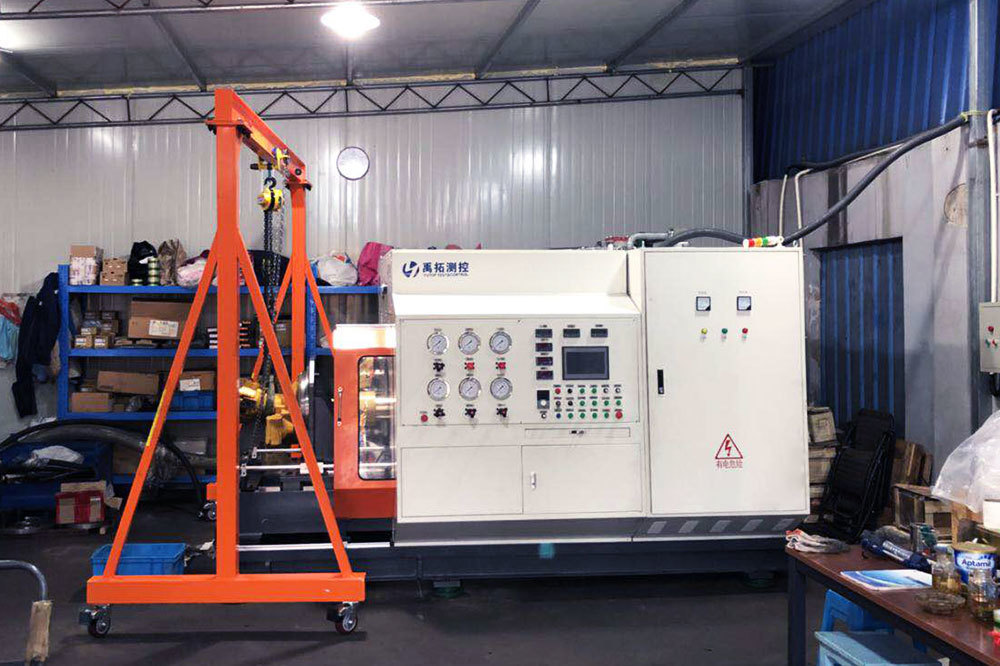
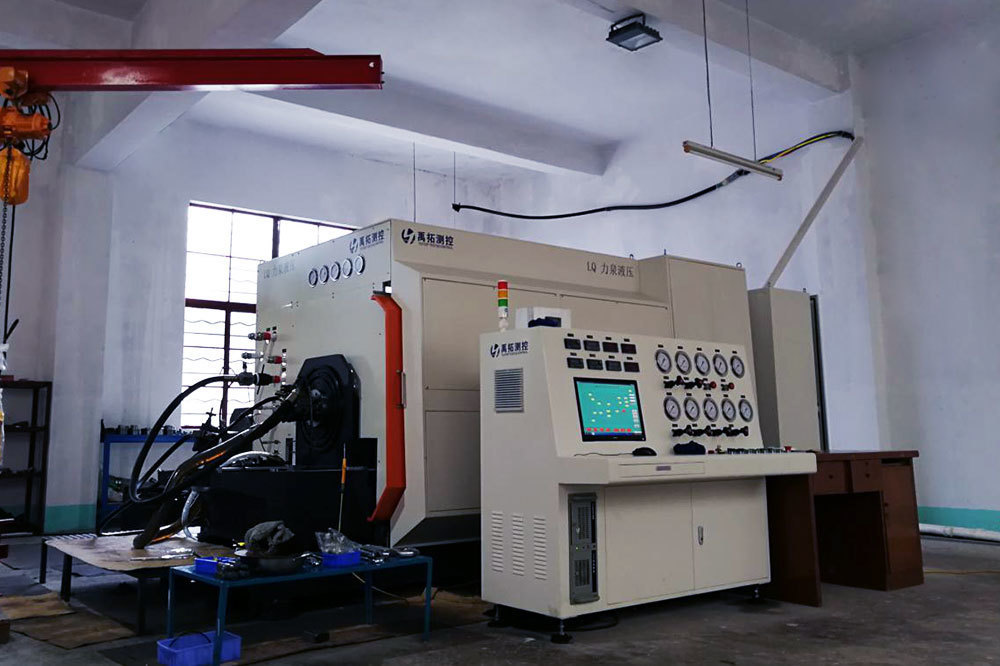
Optimize Your Testing Strategy with Comprehensive Hydraulic Control Solutions
Optimize Your Testing Strategy with Comprehensive Hydraulic Control Solutions Table of Contents Understanding Hydraulic Systems Importance of Hydraulic Control in Testing Key Components of Hydraulic Control Systems Testing Instruments and Their Roles Methodologies for Effective Hydraulic Testing Challenges in Hydraulic Testing and Solutions Best Practices for Optimizin
May 28,2026

Optimize Your Testing Strategy with Comprehensive Hydraulic Control Solutions
Table of Contents
- Understanding Hydraulic Systems
- Importance of Hydraulic Control in Testing
- Key Components of Hydraulic Control Systems
- Testing Instruments and Their Roles
- Methodologies for Effective Hydraulic Testing
- Challenges in Hydraulic Testing and Solutions
- Best Practices for Optimizing Hydraulic Testing
- Future Trends in Hydraulic Control Technology
- Frequently Asked Questions
- Conclusion
Understanding Hydraulic Systems
Hydraulic systems are essential in various industries, utilizing pressurized fluids to create mechanical motion. These systems rely on the principles of fluid mechanics and are widely employed in machinery, automotive, aerospace, and construction applications. Understanding the fundamental aspects of hydraulic systems, including pressure, flow, and fluid properties, is crucial for developing effective testing strategies.
Hydraulic systems consist of various components such as pumps, valves, actuators, and reservoirs. Each component plays a pivotal role in ensuring the system operates efficiently and effectively. For instance, **hydraulic pumps** convert mechanical energy into hydraulic energy, while **valves** control the flow and pressure of the hydraulic fluid. This intricate interplay between components underscores the importance of a comprehensive understanding of hydraulic systems when devising testing strategies.
Importance of Hydraulic Control in Testing
The **importance of hydraulic control** in testing cannot be overstated. Proper hydraulic control allows for accurate simulation of operational conditions, facilitating precise performance assessments of equipment and machinery. It enhances testing reliability and reduces the risk of errors arising from manual controls.
Moreover, effective hydraulic control can lead to significant improvements in testing speed and efficiency. By automating processes and ensuring consistent pressure and flow rates, testing times can be drastically reduced, allowing for more tests to be conducted in a shorter period. This increased efficiency not only saves time but also reduces costs associated with labor and equipment wear.
Key Components of Hydraulic Control Systems
To optimize your testing strategy, it is vital to familiarize yourself with the key components of hydraulic control systems. Understanding how each component functions contributes to developing an effective testing approach.
Hydraulic Pumps
Hydraulic pumps are responsible for generating flow within the hydraulic system. They can be categorized into several types, including gear pumps, piston pumps, and vane pumps, each offering different benefits depending on the application. Selecting the right pump is crucial for achieving the desired pressure and flow characteristics during testing.
Valves
Valves regulate the flow and direction of the hydraulic fluid. They can be manual or automated and are essential for controlling system pressure and ensuring proper timing of operations. Understanding the different types of valves, such as relief valves, check valves, and directional control valves, is essential for effective hydraulic system management during testing.
Actuators
Actuators convert hydraulic energy into mechanical energy, enabling movement and control of machinery. They come in various forms, including hydraulic cylinders and hydraulic motors. Depending on the testing scenario, selecting the appropriate actuator is critical for achieving accurate and reliable results.
Reservoirs
Reservoirs store hydraulic fluid and help maintain system pressure. They also play a role in dissipating heat generated during operation. An adequately sized and maintained reservoir ensures a stable flow and pressure, both vital for successful testing outcomes.
Testing Instruments and Their Roles
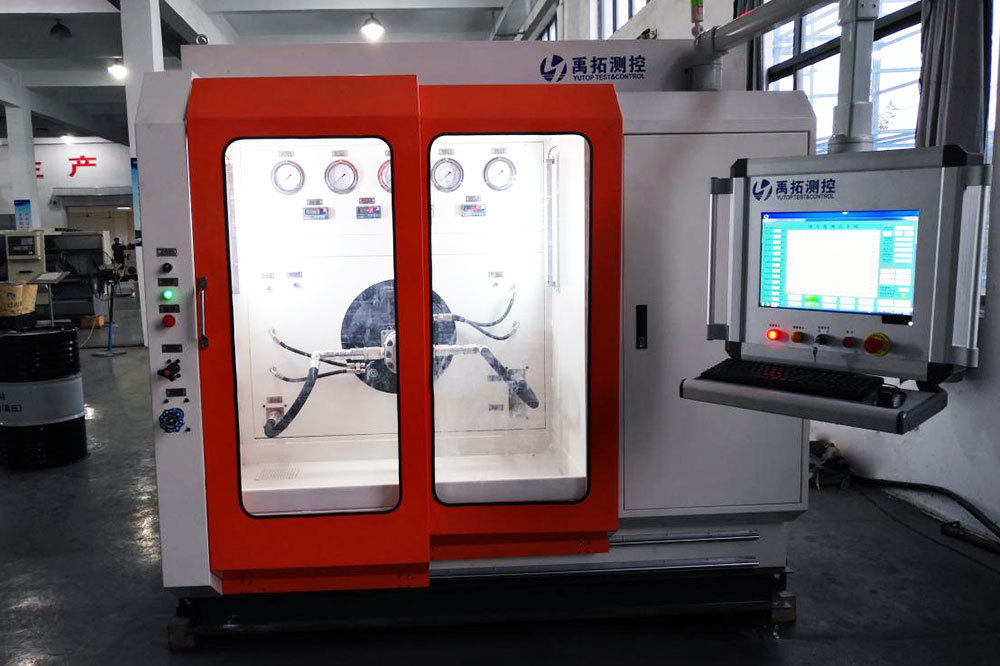
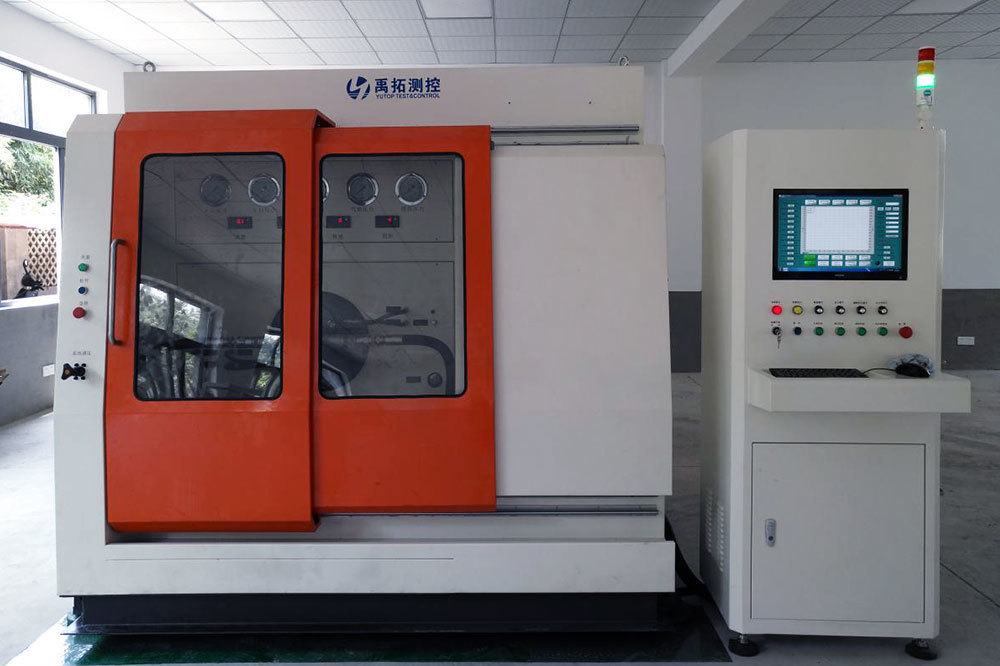
Utilizing the right testing instruments is essential for gathering accurate data during hydraulic testing. Various instruments can measure pressure, flow rate, temperature, and fluid level, providing critical insights into system performance.
Pressure Gauges
Pressure gauges are fundamental instruments that measure the pressure within the hydraulic system. They come in various designs, including analog and digital types, and are vital for monitoring system conditions throughout the testing process.
Flow Meters
Flow meters measure the flow rate of the hydraulic fluid, providing insights into system efficiency. Accurate flow measurements are essential for diagnosing issues and optimizing system performance during testing.
Temperature Sensors
Temperature sensors monitor the thermal conditions within the hydraulic system. Elevated temperatures can indicate inefficiencies or potential failures. Utilizing temperature sensors helps maintain optimal operating conditions, ensuring reliable test results.
Data Loggers
Data loggers are essential for recording and analyzing test data over time. By capturing various parameters, data loggers provide a comprehensive view of system performance, enabling engineers to identify trends and make informed decisions based on empirical data.
Methodologies for Effective Hydraulic Testing
Implementing effective testing methodologies is crucial for achieving accurate and reliable results in hydraulic systems. Several approaches can enhance the efficacy of your testing strategy.
Simulation Testing
Simulation testing involves creating controlled environments that mimic real-world conditions. This methodology allows engineers to evaluate system performance under various scenarios, providing valuable insights into potential issues before they arise in actual operations.
Load Testing
Load testing evaluates the performance of hydraulic systems under specified loads. This methodology is essential for assessing the operational capacity of hydraulic components and ensuring they can handle the expected demands.
Performance Testing
Performance testing measures how well hydraulic systems operate under defined conditions. This approach focuses on evaluating efficiency, speed, and reliability, offering insights into areas for improvement.
Failure Mode Testing
Failure mode testing involves intentionally subjecting hydraulic systems to adverse conditions to identify weaknesses and potential failure points. Understanding these vulnerabilities allows for implementing mitigation strategies, enhancing overall system reliability.
Challenges in Hydraulic Testing and Solutions
While hydraulic testing is essential, it also presents unique challenges that must be addressed to ensure accurate results.
System Complexity
The complexity of hydraulic systems can complicate testing efforts. Integrating multiple components requires a thorough understanding of each part's function. Investing in training and knowledge-sharing within your team can alleviate these challenges.
Fluid Contamination
Fluid contamination can significantly impact test results. Implementing strict cleanliness protocols and using quality hydraulic fluids can help minimize contamination risks. Regular maintenance and filtering systems should be in place to ensure fluid integrity.
Pressure Fluctuations
Pressure fluctuations can lead to inaccurate readings and compromised test results. Utilizing advanced pressure regulation techniques and stabilizing components can mitigate these fluctuations, leading to more consistent testing outcomes.
Best Practices for Optimizing Hydraulic Testing
To enhance your hydraulic testing strategy, it is essential to adhere to best practices that maximize accuracy and efficiency.
Regular Maintenance
Implementing a schedule for regular maintenance of hydraulic systems and testing instruments ensures they operate at peak performance. Regular checks and servicing can prevent failures and prolong equipment lifespan.
Training and Skill Development
Investing in training and development for your team enhances their ability to conduct effective hydraulic testing. Knowledgeable personnel can better identify issues, interpret results, and implement solutions.
Data Analysis
Utilizing data analysis tools to interpret test results can provide deeper insights into system performance. Leveraging this data to inform future testing strategies will contribute to continuous improvement.
Future Trends in Hydraulic Control Technology
The field of hydraulic control technology is evolving rapidly. Emerging trends promise to revolutionize hydraulic testing strategies, making them more efficient and effective.
Automation and Smart Technologies
The incorporation of automation and smart technologies into hydraulic systems enhances control and monitoring capabilities. Real-time data collection and analysis can lead to quick decision-making and improved testing outcomes.
IoT Integration
The Internet of Things (IoT) is transforming hydraulic systems by enabling remote monitoring and control. This integration allows for proactive maintenance and immediate adjustments to testing parameters, enhancing overall system performance.
Sustainable Practices
As industries focus on sustainability, developing eco-friendly hydraulic systems and testing methodologies is becoming a priority. Innovations in hydraulic fluids and energy-efficient components will shape the future of hydraulic testing.
Frequently Asked Questions
What are the main components of a hydraulic system?
The main components of a hydraulic system include pumps, valves, actuators, and reservoirs, which work together to control fluid flow and create mechanical movement.
How can I improve the accuracy of my hydraulic testing?
Improving accuracy can be achieved through regular maintenance, utilizing quality testing instruments, implementing strict cleanliness protocols, and investing in team training.
What types of testing instruments are essential for hydraulic systems?
Essential testing instruments for hydraulic systems include pressure gauges, flow meters, temperature sensors, and data loggers, each playing a critical role in gathering performance data.
What challenges should I expect in hydraulic testing?
Challenges in hydraulic testing can include system complexity, fluid contamination, and pressure fluctuations, each requiring specific strategies to mitigate their impact on results.
What future trends should I be aware of in hydraulic technology?
Future trends include automation and smart technologies, IoT integration for remote monitoring, and a focus on sustainable practices in hydraulic system design and testing.
Conclusion
Optimizing your testing strategy with comprehensive hydraulic control solutions is vital for achieving accurate and reliable results. By understanding the intricacies of hydraulic systems, employing effective testing methodologies, and adhering to best practices, organizations can enhance their testing efficiency. Embracing emerging technologies and trends will further propel hydraulic testing into a new era of performance excellence, ensuring that your operations remain competitive and innovative. With the right approach, you can unlock the full potential of your hydraulic systems, leading to improved performance and operational success.
PREVIOUS:

Room 209, 2nd Floor, No.12, No.828 Maogang Road, Huangpu District, Guangzhou,China.


