

Comprehensive Guide to Flywheel Hydraulic Motor Test Benches
Flywheel hydraulic motor test benches play a crucial role in the automotive repair and maintenance industry, particularly for those specializing in vehicle systems that employ hydraulic motors. These test benches are designed to evaluate the performance and efficiency of hydraulic motors, ensuring that they operate within specified parameters. A flywheel hydraulic motor test bench typically consi
Jul 08,2026

Flywheel hydraulic motor test benches play a crucial role in the automotive repair and maintenance industry, particularly for those specializing in vehicle systems that employ hydraulic motors. These test benches are designed to evaluate the performance and efficiency of hydraulic motors, ensuring that they operate within specified parameters.
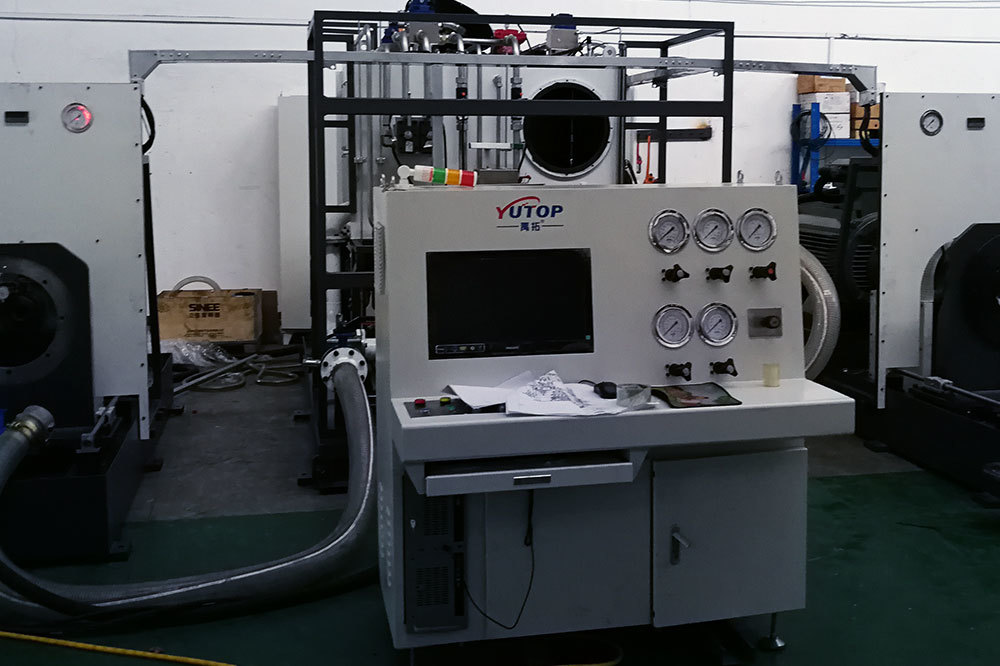
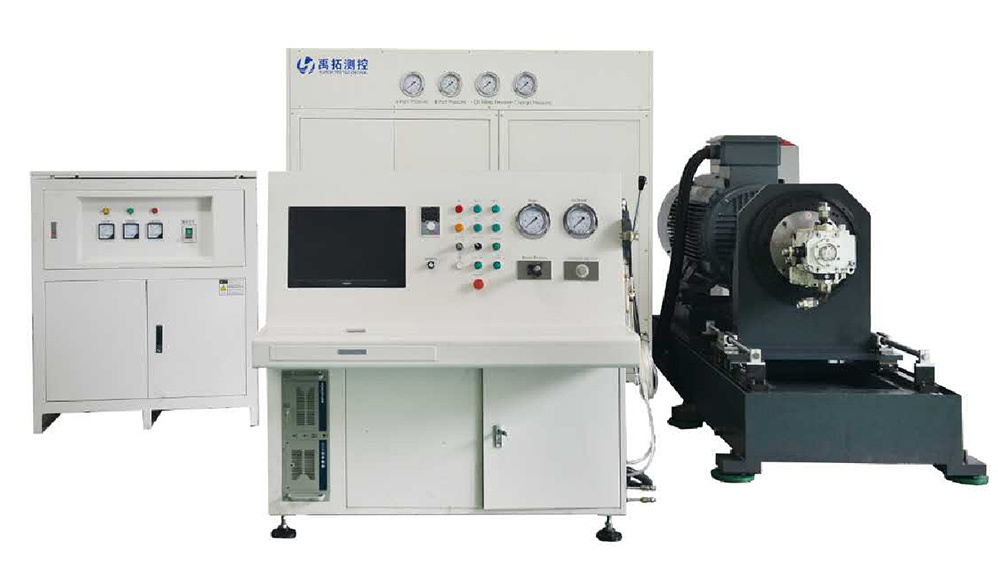
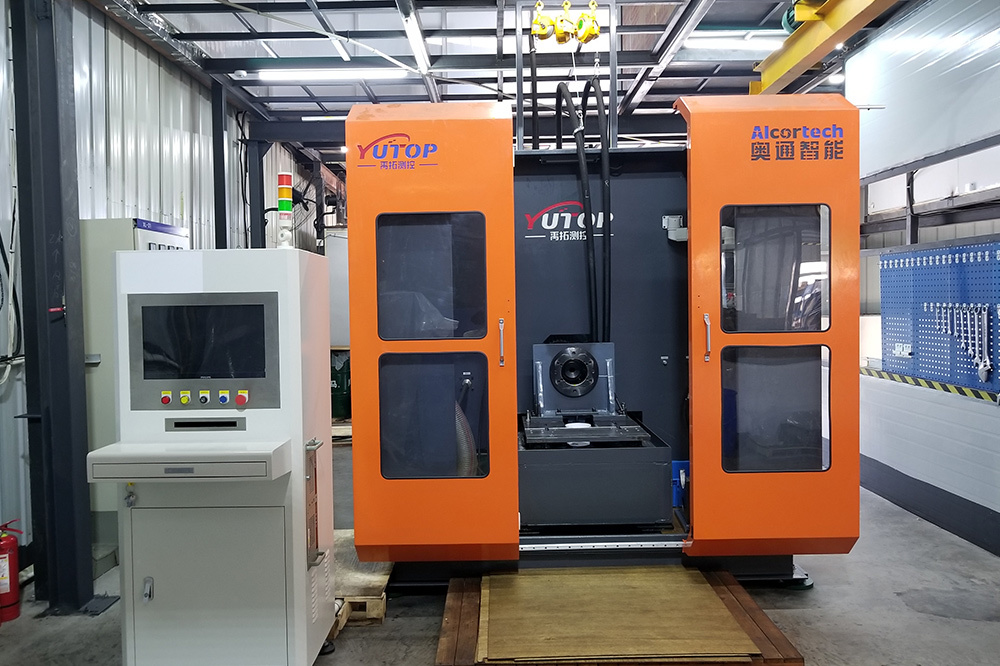
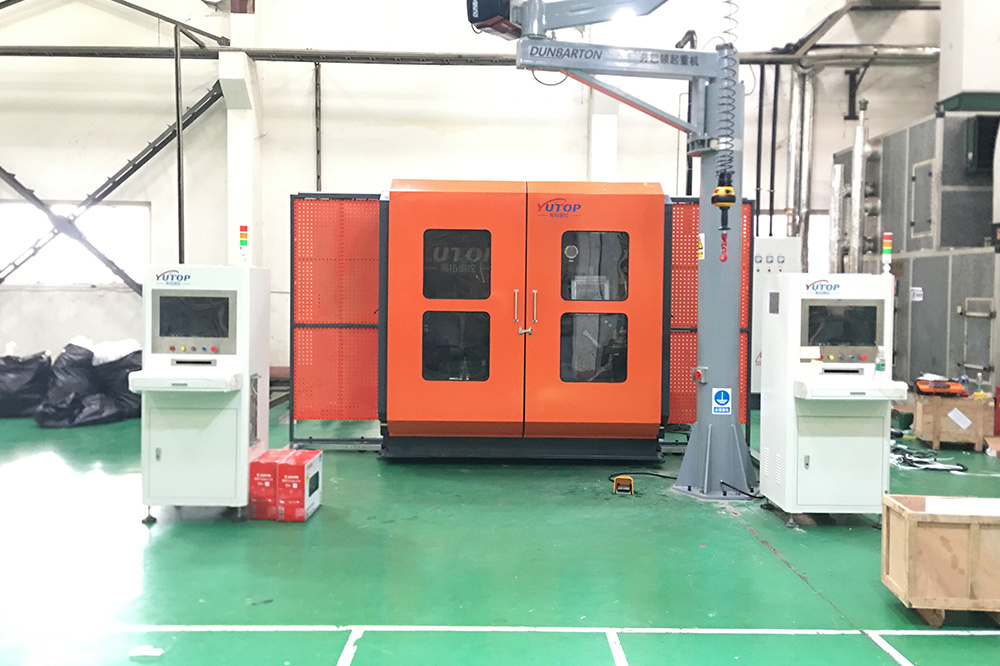
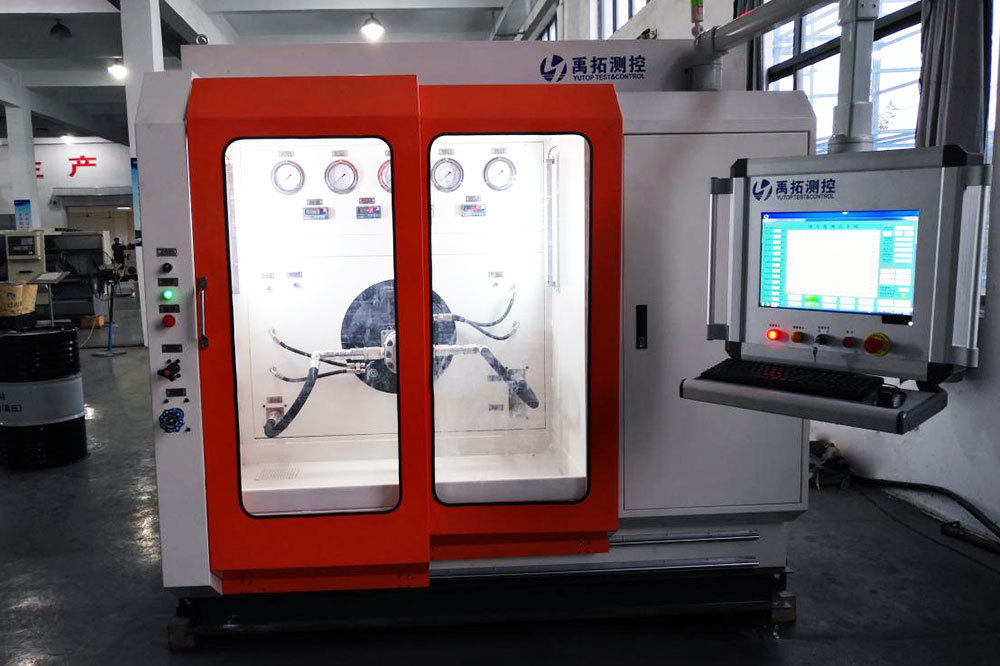
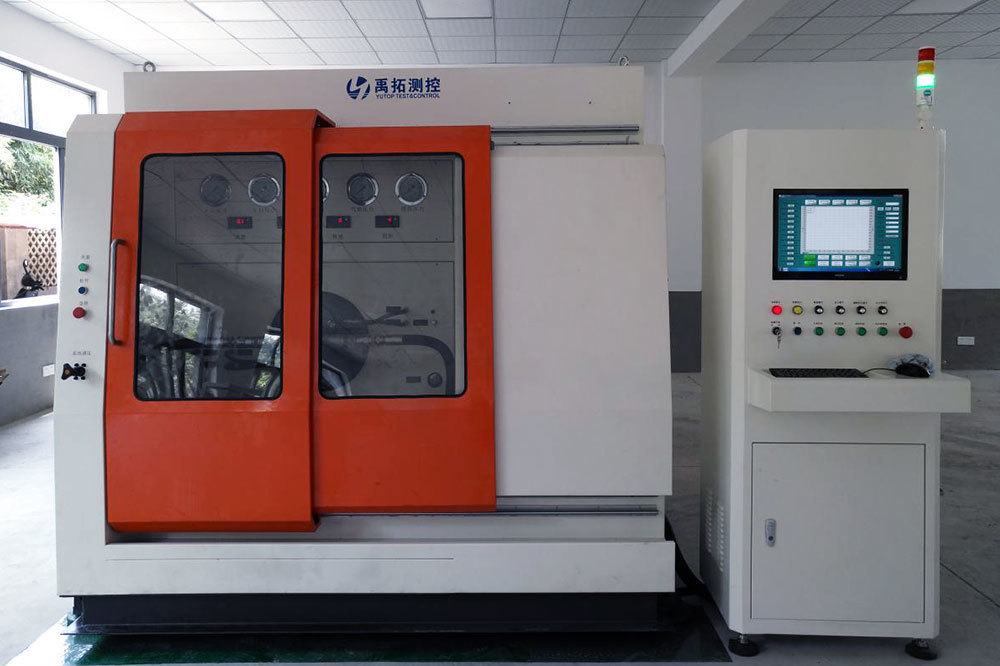
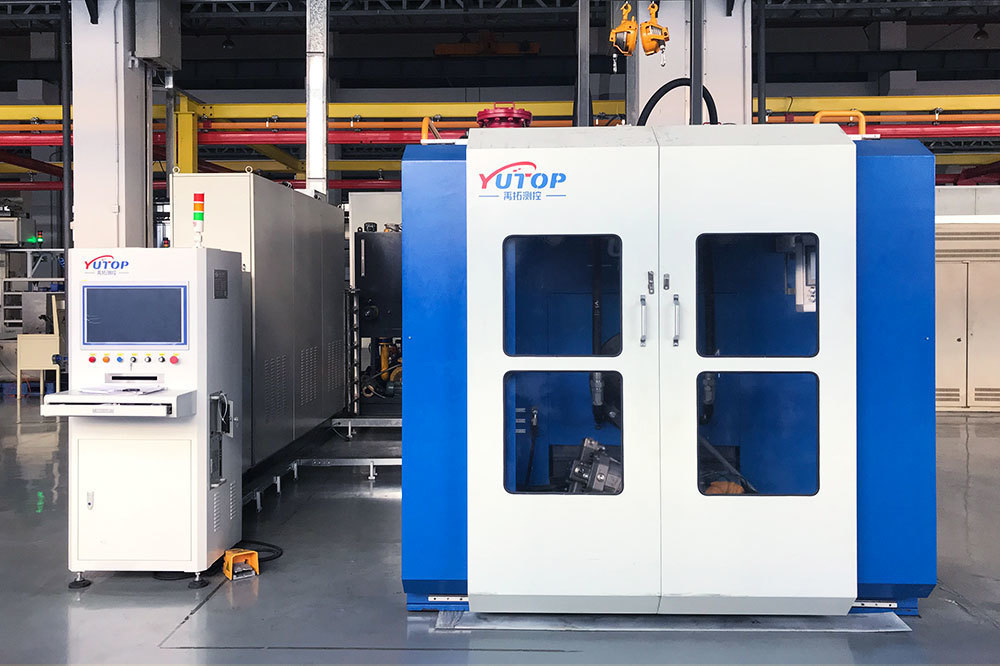
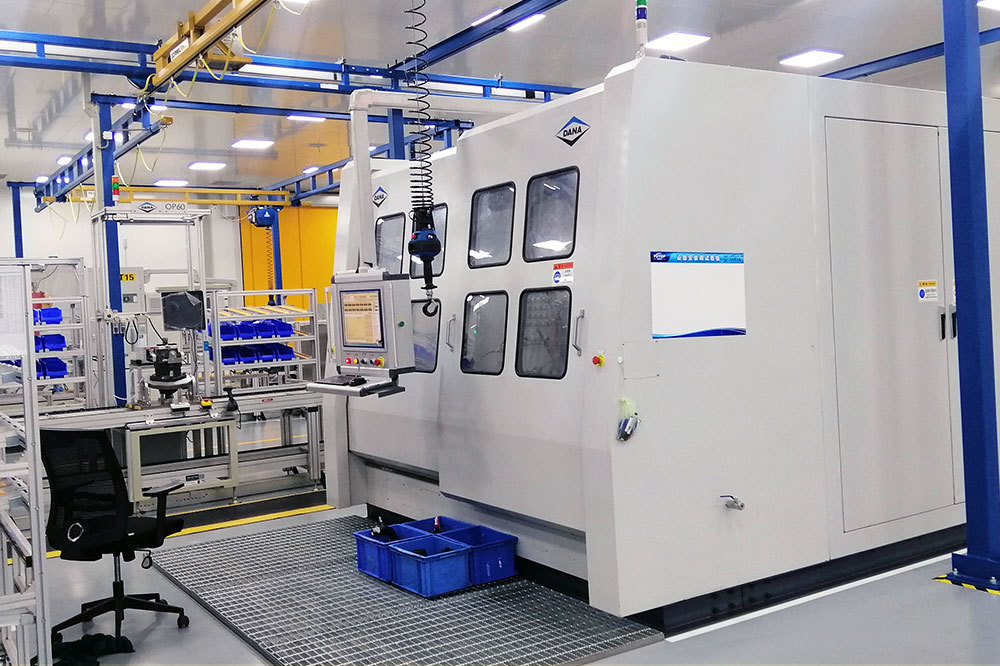
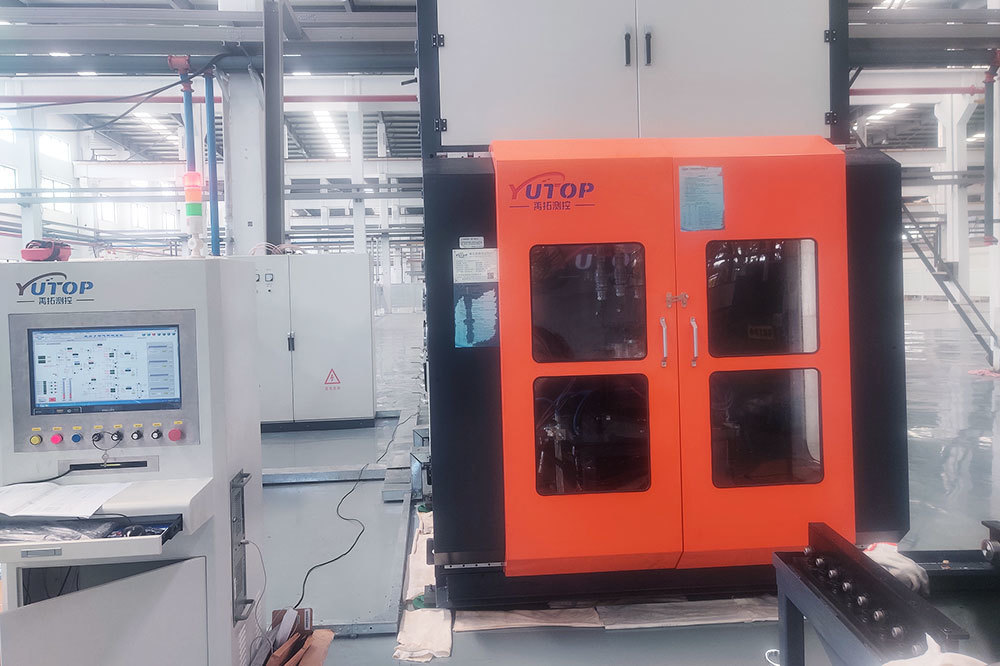
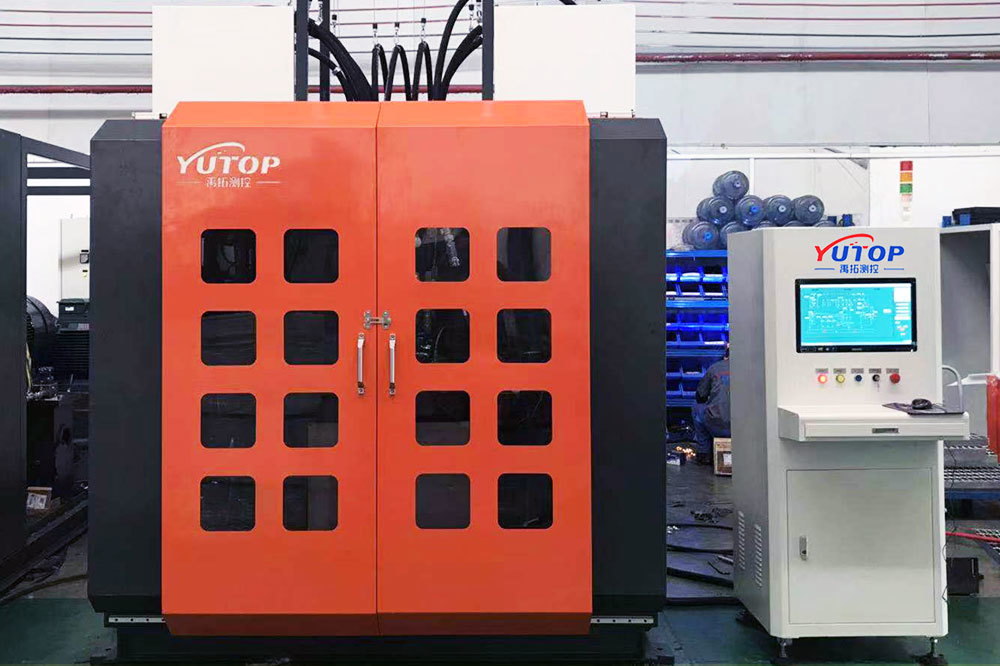
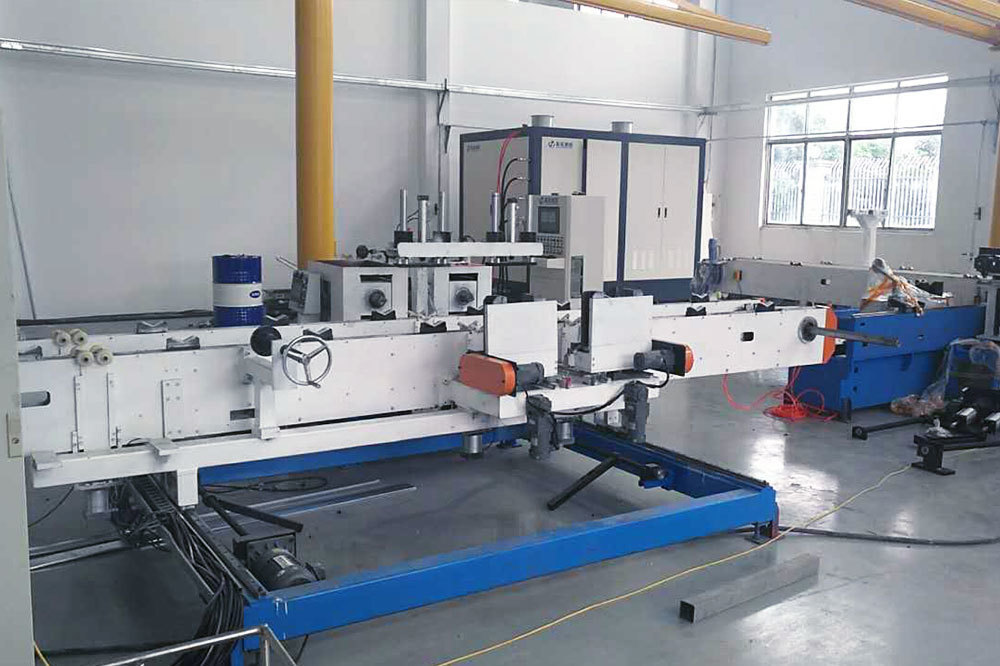
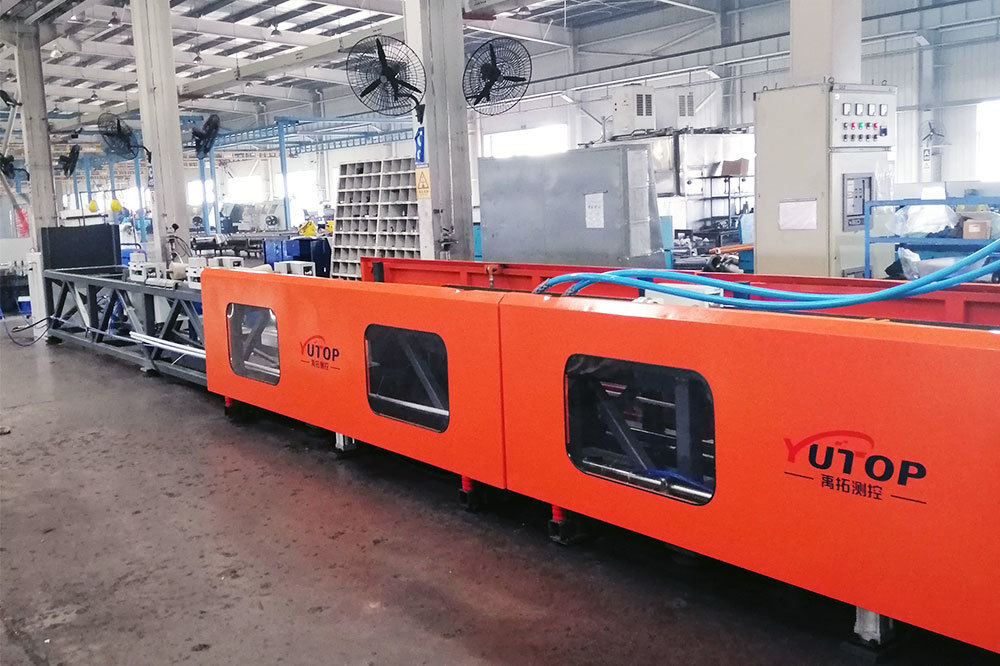
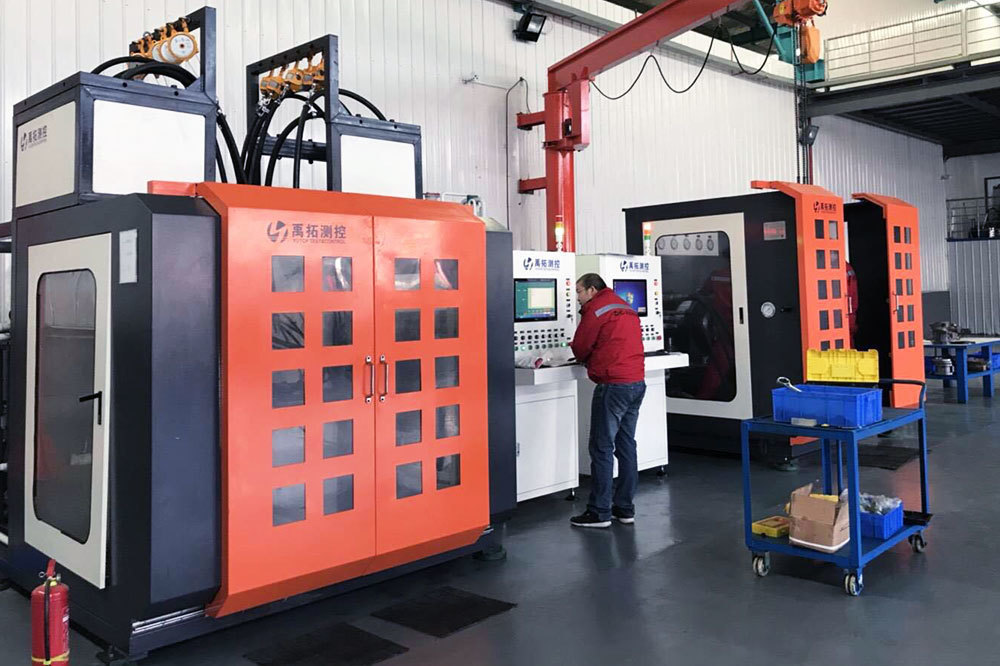
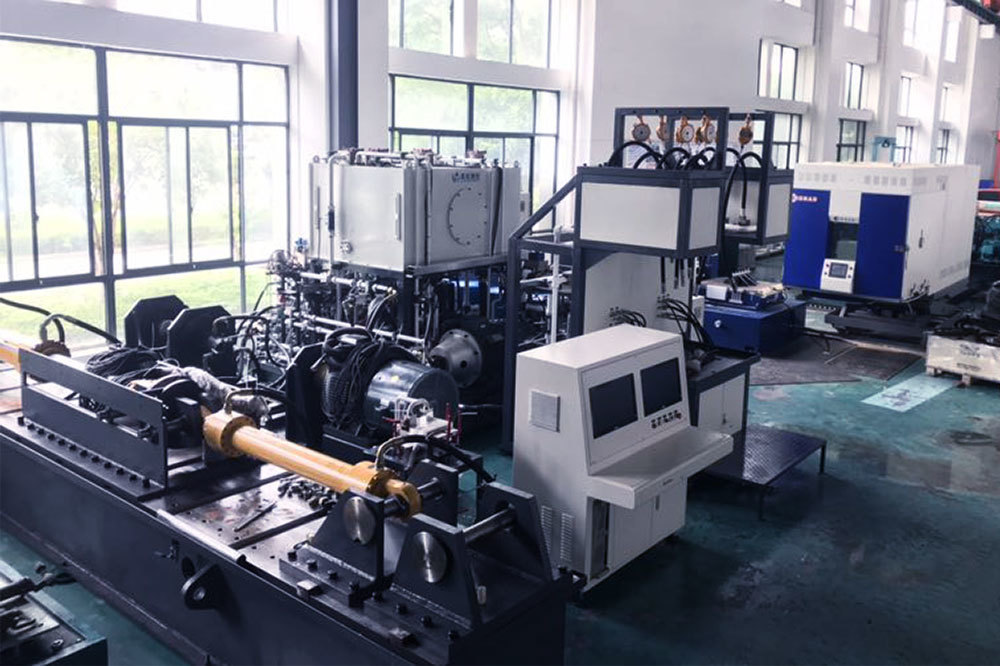
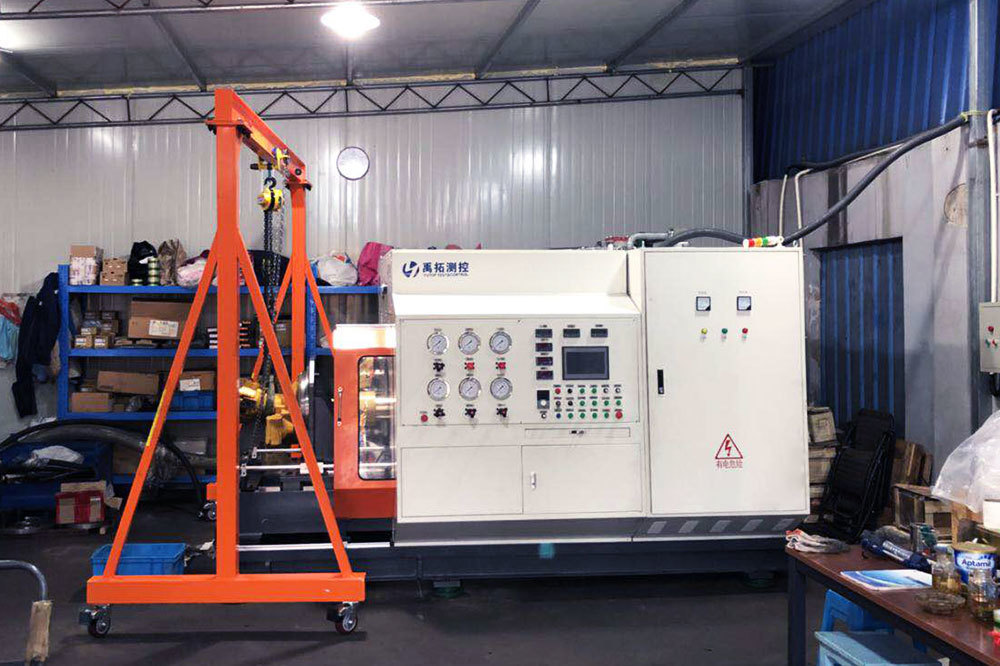
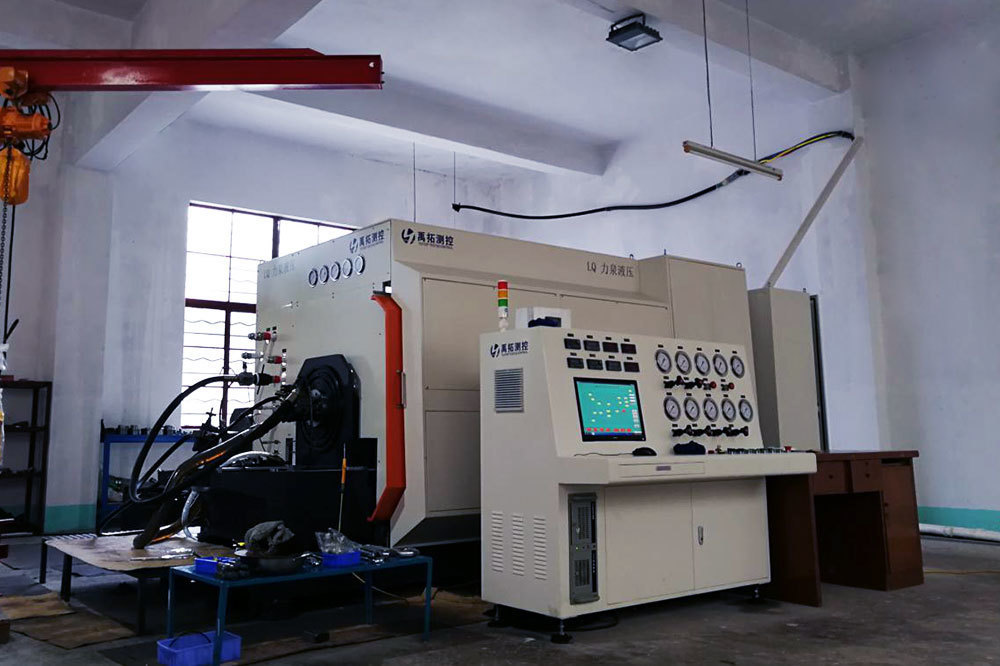
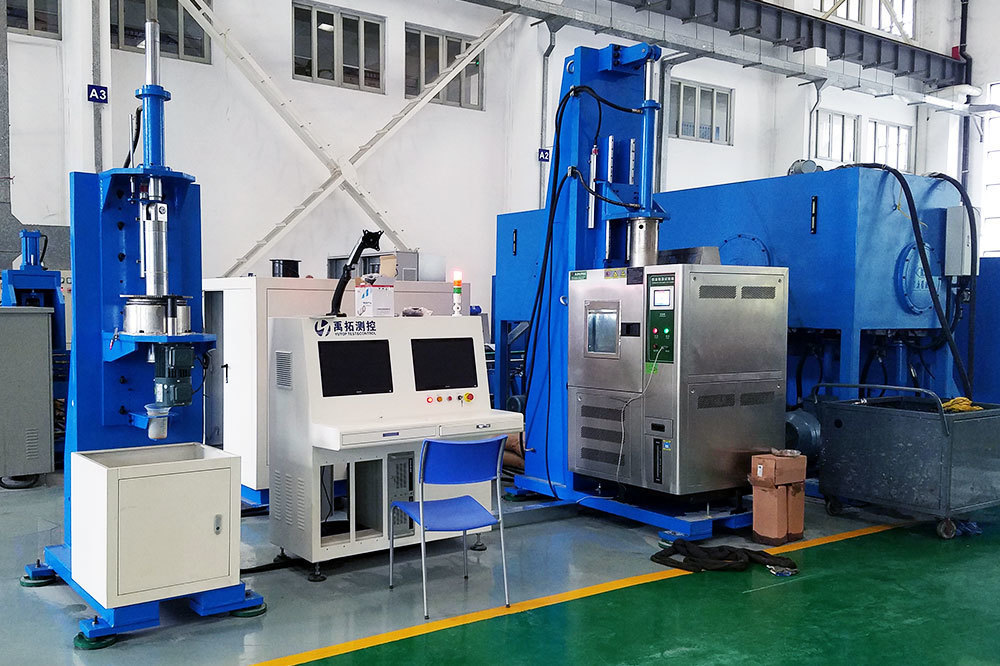
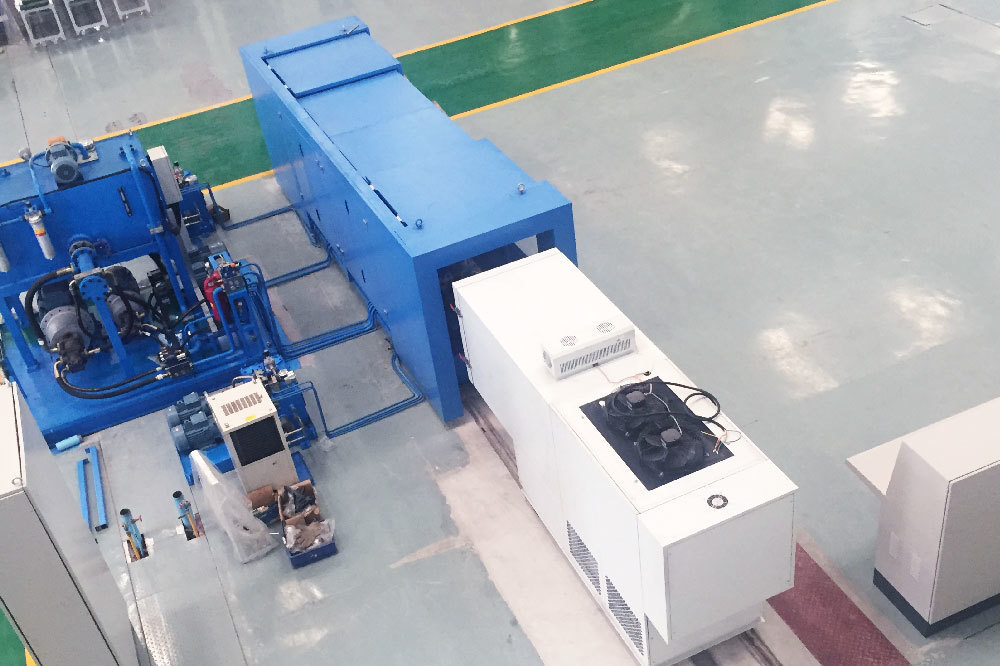
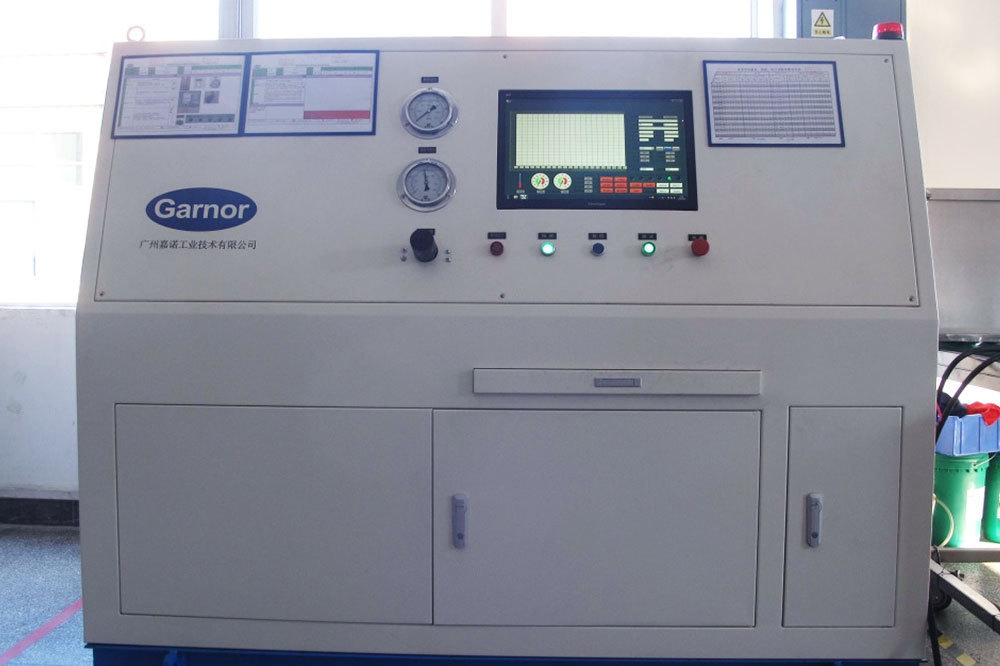
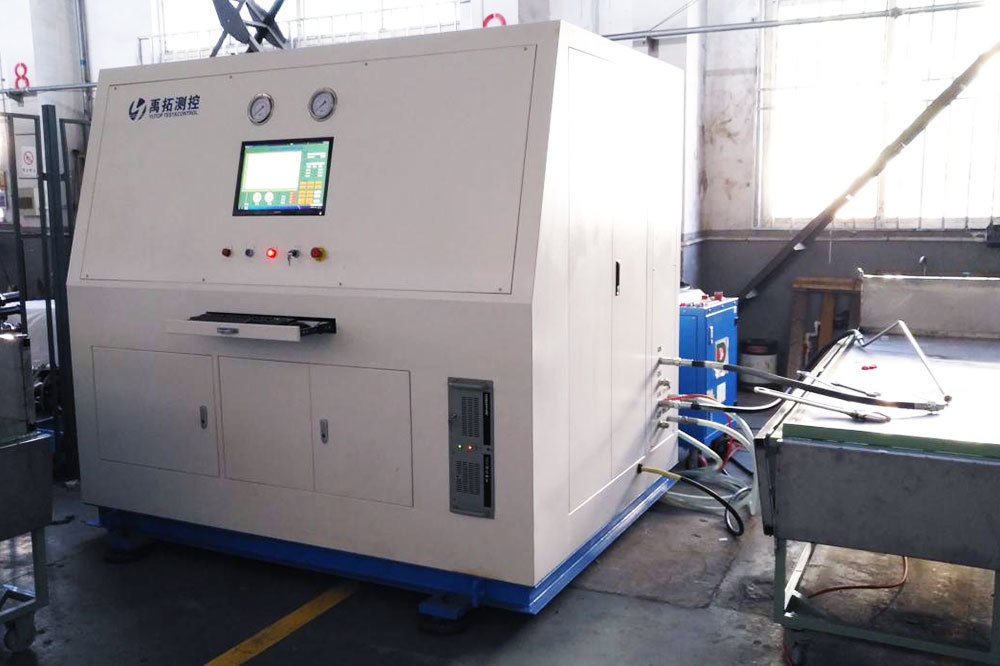
A flywheel hydraulic motor test bench typically consists of several key components, including a test chamber, control system, data acquisition system, and safety equipment. The test chamber is where the hydraulic motor is mounted and subjected to various operational conditions. The flywheel serves as a mechanical load to simulate real-world applications, allowing for accurate testing of the motor’s performance under different speeds and torque levels.
One of the primary functions of a flywheel hydraulic motor test bench is to measure the output torque and speed of the hydraulic motor. By adjusting the load on the flywheel, technicians can evaluate how the motor performs under various conditions. This capability is essential for diagnosing issues, optimizing efficiency, and ensuring compliance with industry standards.
In addition to performance testing, these benches are equipped with sophisticated data acquisition systems that monitor and record critical parameters such as pressure, flow rate, and temperature. This data is invaluable for engineers and technicians as it provides insights into the motor’s operational characteristics and can reveal potential problems before they lead to failure.
Furthermore, using a flywheel hydraulic motor test bench enhances safety during testing and maintenance procedures. The enclosed test chamber and built-in safety features protect personnel from potential hazards associated with high-speed rotating equipment. Additionally, these benches often incorporate automated systems that can reduce manual intervention, further minimizing risks.
Moreover, the versatility of flywheel hydraulic motor test benches makes them suitable for a wide range of applications. They can be utilized for testing various hydraulic motors, from small industrial motors to larger systems used in heavy machinery. This adaptability is vital in today’s diverse automotive landscape, where engineers must work with a range of hydraulic technologies.
In conclusion, integrating a flywheel hydraulic motor test bench into workshop operations significantly enhances the ability to evaluate and maintain hydraulic motors effectively. These test benches provide precise performance metrics, ensure safety, and improve reliability in automotive applications. By investing in advanced testing equipment, automotive professionals can not only enhance their service offerings but also contribute to greater customer satisfaction and operational efficiency. Whether for routine maintenance or in-depth diagnostics, a flywheel hydraulic motor test bench is an indispensable tool in the automotive repair equipment arsenal.
A flywheel hydraulic motor test bench typically consists of several key components, including a test chamber, control system, data acquisition system, and safety equipment. The test chamber is where the hydraulic motor is mounted and subjected to various operational conditions. The flywheel serves as a mechanical load to simulate real-world applications, allowing for accurate testing of the motor’s performance under different speeds and torque levels.
One of the primary functions of a flywheel hydraulic motor test bench is to measure the output torque and speed of the hydraulic motor. By adjusting the load on the flywheel, technicians can evaluate how the motor performs under various conditions. This capability is essential for diagnosing issues, optimizing efficiency, and ensuring compliance with industry standards.
In addition to performance testing, these benches are equipped with sophisticated data acquisition systems that monitor and record critical parameters such as pressure, flow rate, and temperature. This data is invaluable for engineers and technicians as it provides insights into the motor’s operational characteristics and can reveal potential problems before they lead to failure.
Furthermore, using a flywheel hydraulic motor test bench enhances safety during testing and maintenance procedures. The enclosed test chamber and built-in safety features protect personnel from potential hazards associated with high-speed rotating equipment. Additionally, these benches often incorporate automated systems that can reduce manual intervention, further minimizing risks.
Moreover, the versatility of flywheel hydraulic motor test benches makes them suitable for a wide range of applications. They can be utilized for testing various hydraulic motors, from small industrial motors to larger systems used in heavy machinery. This adaptability is vital in today’s diverse automotive landscape, where engineers must work with a range of hydraulic technologies.
In conclusion, integrating a flywheel hydraulic motor test bench into workshop operations significantly enhances the ability to evaluate and maintain hydraulic motors effectively. These test benches provide precise performance metrics, ensure safety, and improve reliability in automotive applications. By investing in advanced testing equipment, automotive professionals can not only enhance their service offerings but also contribute to greater customer satisfaction and operational efficiency. Whether for routine maintenance or in-depth diagnostics, a flywheel hydraulic motor test bench is an indispensable tool in the automotive repair equipment arsenal.
PREVIOUS:

Room 209, 2nd Floor, No.12, No.828 Maogang Road, Huangpu District, Guangzhou,China.


