

Enhancing Diagnostic Capabilities with Hydraulic Pump Performance Test Benches
Enhancing Diagnostic Capabilities with Hydraulic Pump Performance Test Benches Table of Contents 1. Introduction to Hydraulic Pump Performance Test Benches 2. Understanding the Importance of Hydraulic Pumps in Automotive Systems 3. Key Features of Hydraulic Pump Performance Test Benches 4. Benefits of Using Hydraulic Pump Test Benches 5. How to Choose the Right Hydraulic Pump Performance
Jul 11,2026
Enhancing Diagnostic Capabilities with Hydraulic Pump Performance Test Benches
Table of Contents
1. Introduction to Hydraulic Pump Performance Test Benches
2. Understanding the Importance of Hydraulic Pumps in Automotive Systems
3. Key Features of Hydraulic Pump Performance Test Benches
4. Benefits of Using Hydraulic Pump Test Benches
5. How to Choose the Right Hydraulic Pump Performance Test Bench
5.1 Factors to Consider
5.2 Recommended Brands and Models
6. Best Practices for Utilizing Hydraulic Pump Performance Test Benches
6.1 Regular Maintenance
6.2 Calibration Procedures
7. Common Issues and Troubleshooting
8. Conclusion
9. FAQs
1. Introduction to Hydraulic Pump Performance Test Benches
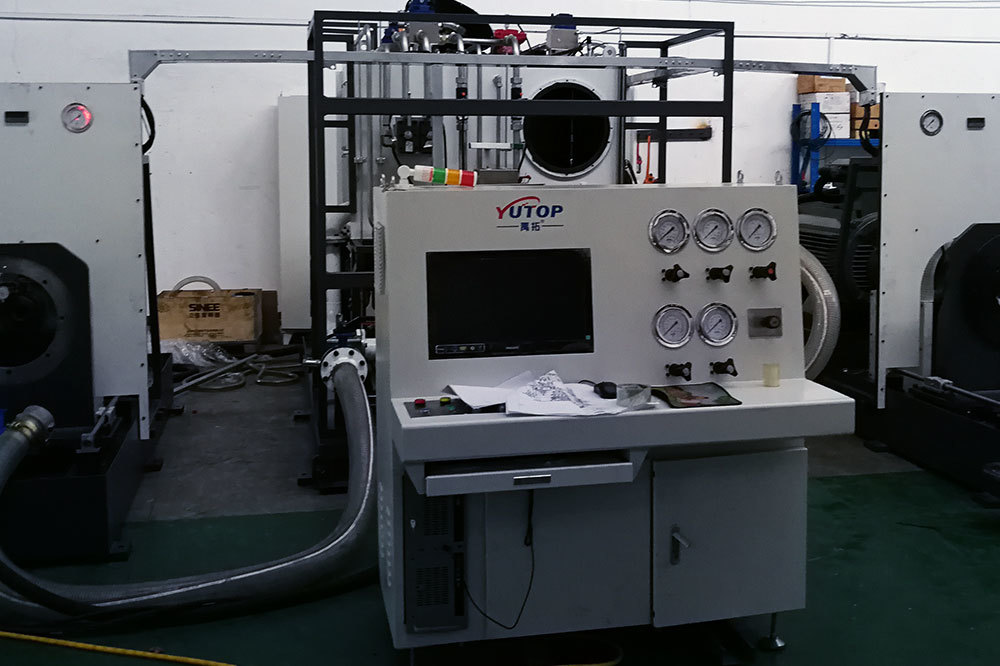
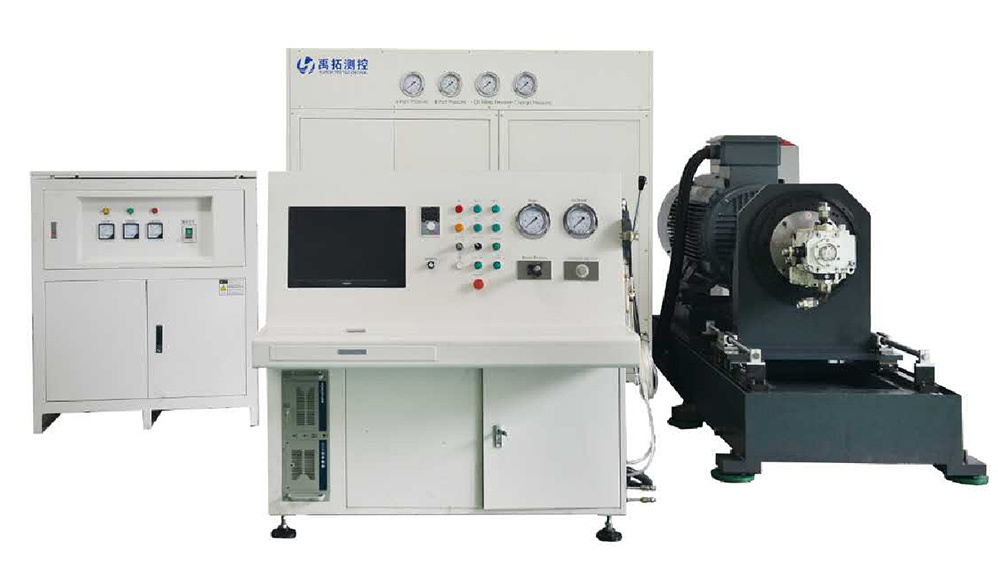
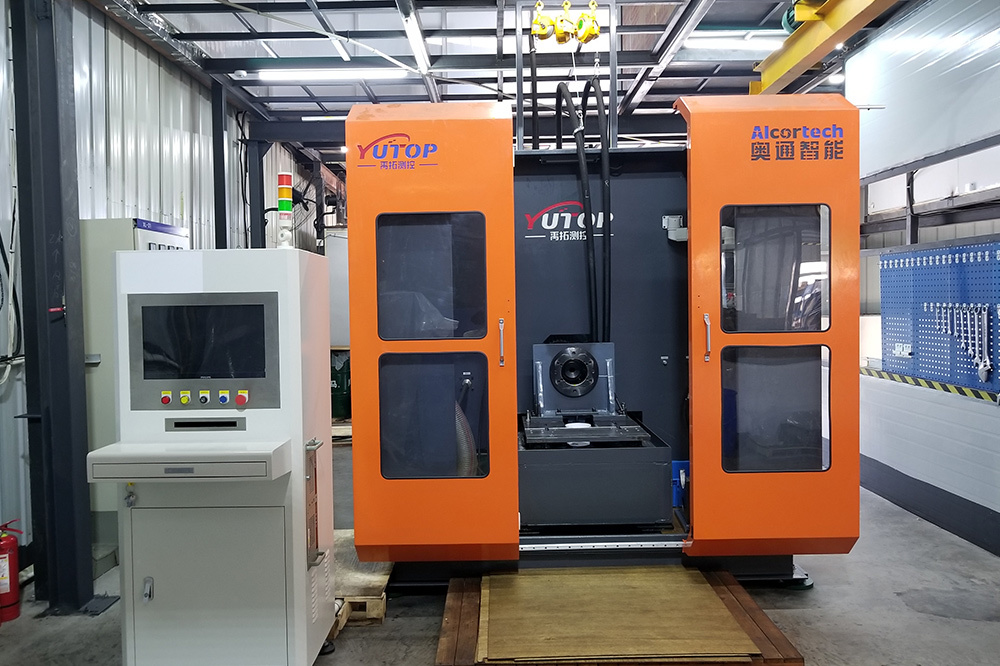
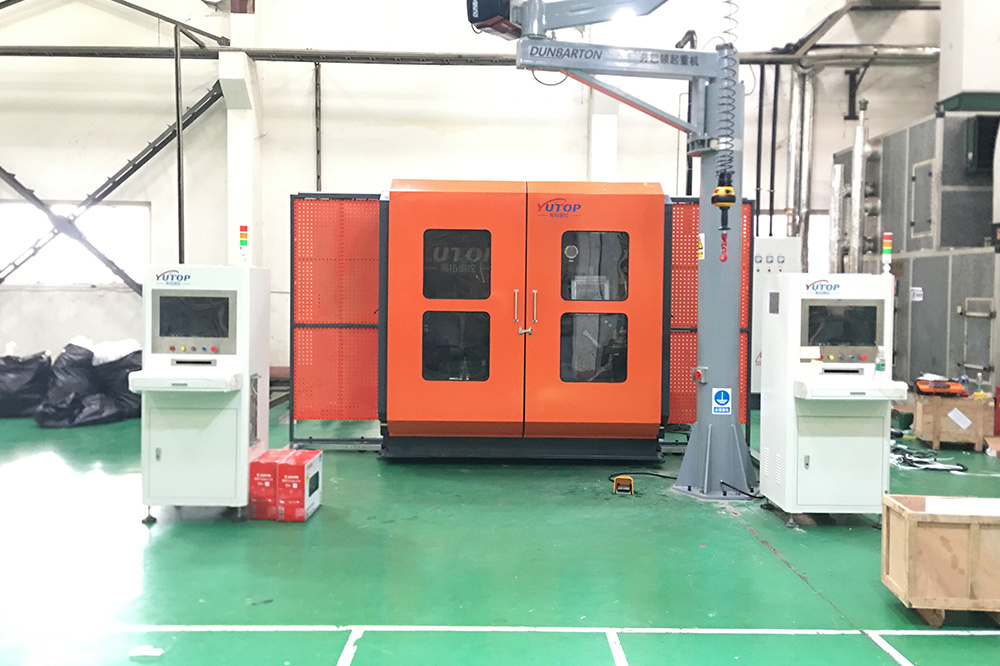
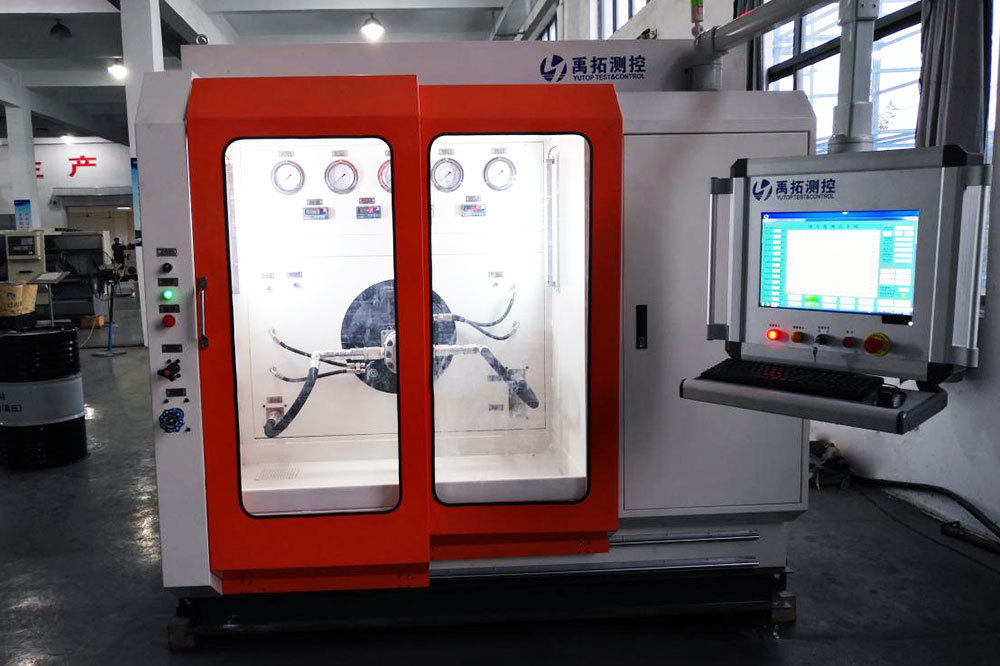
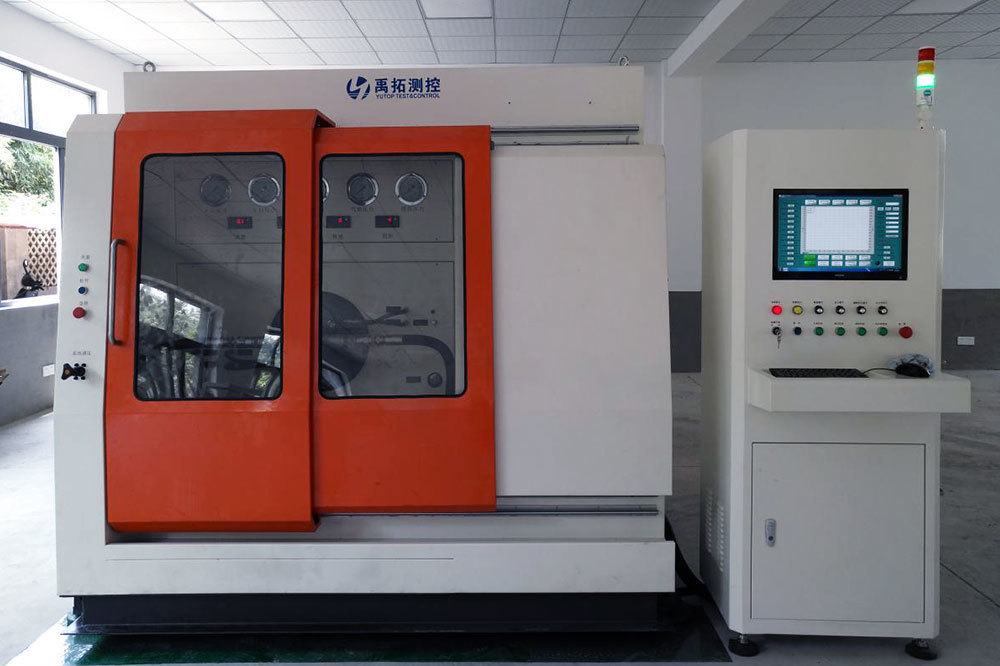
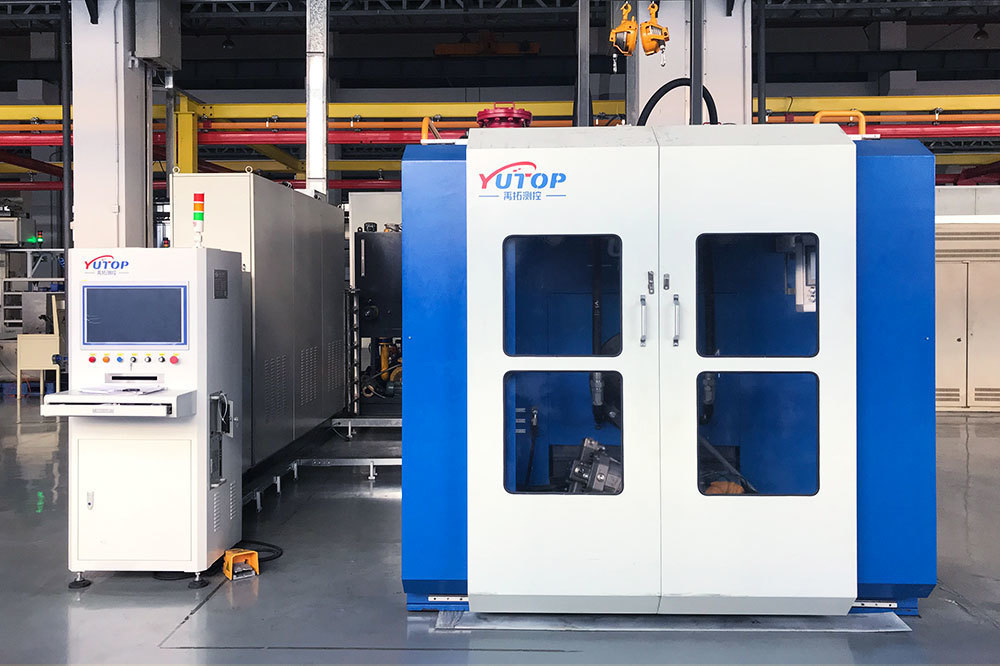
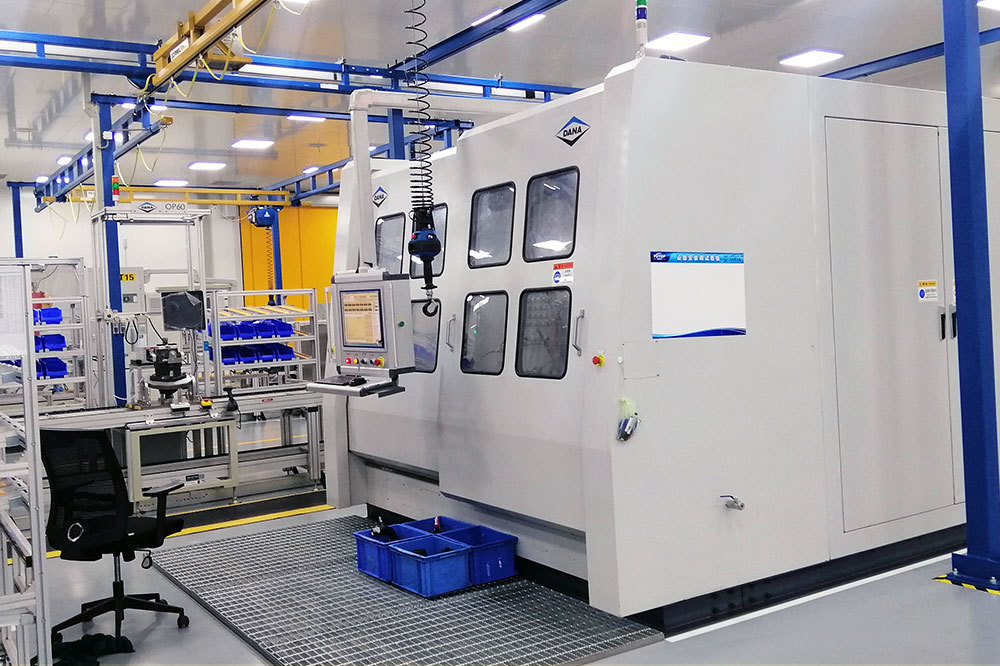
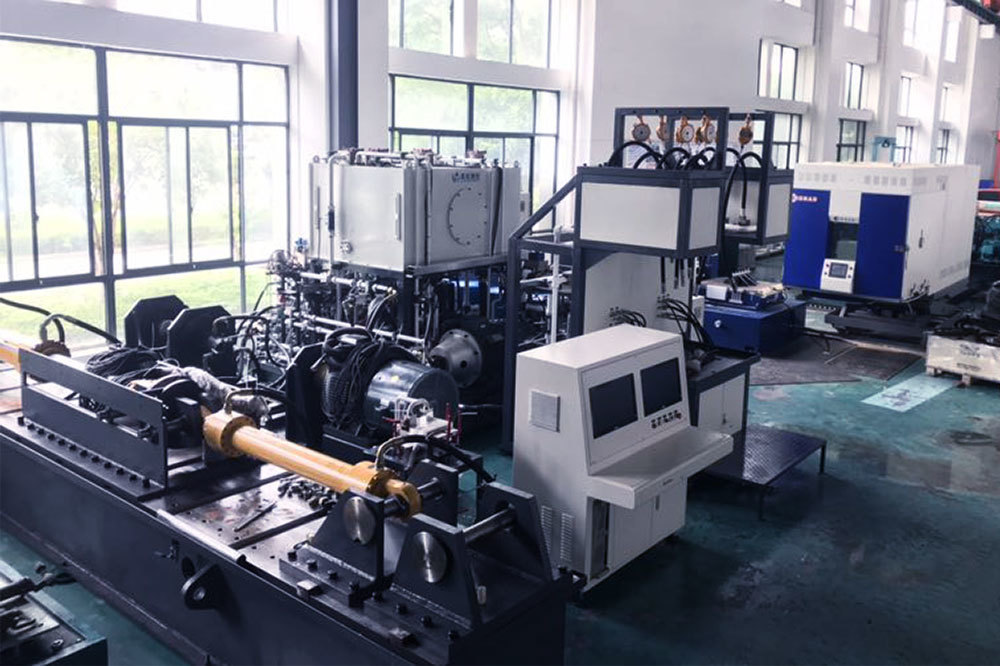
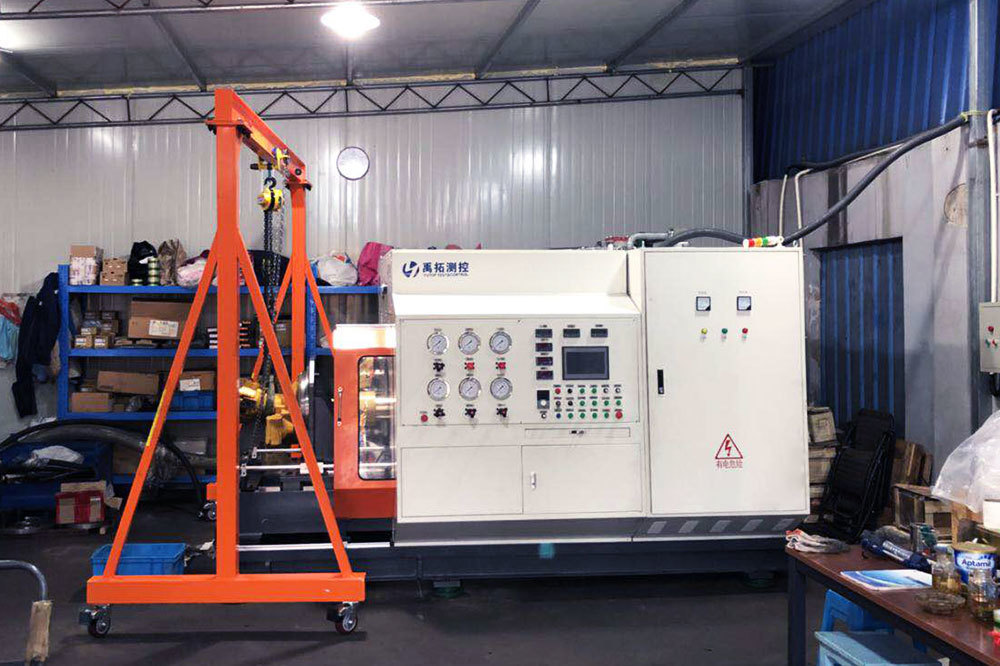
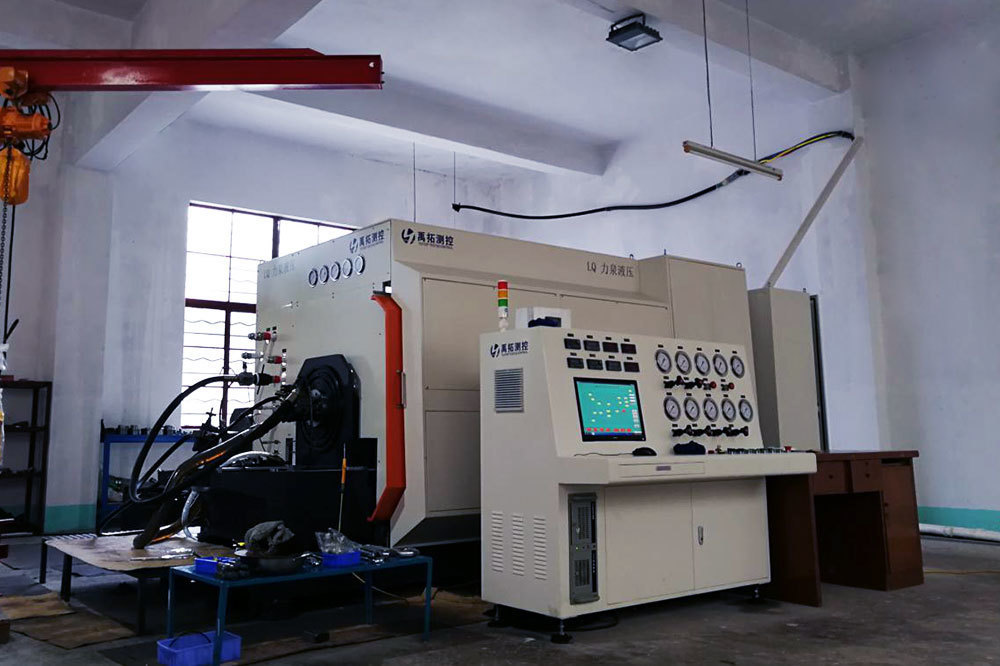
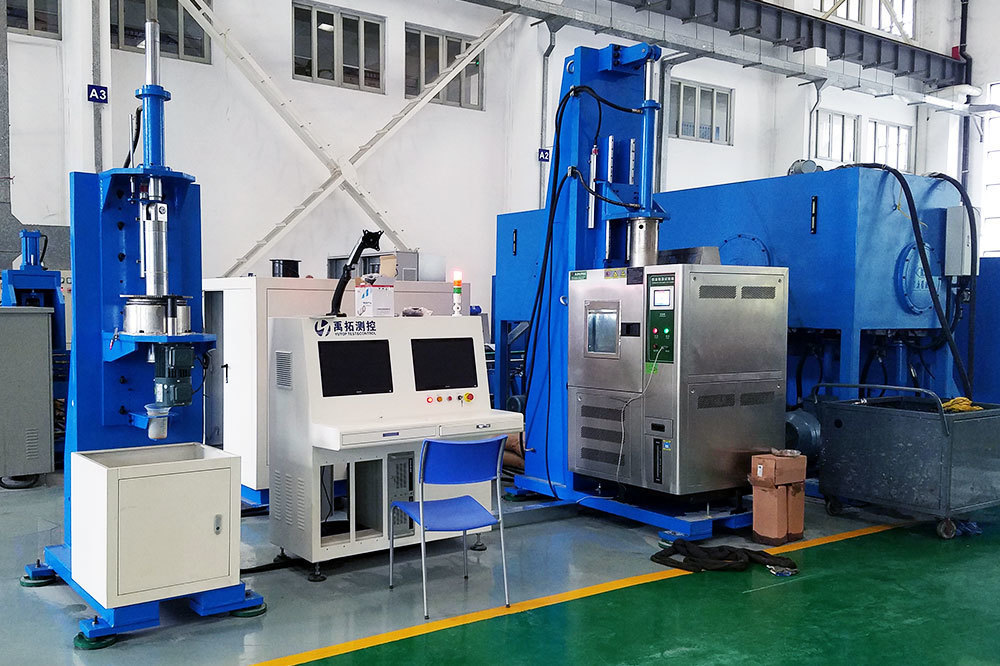
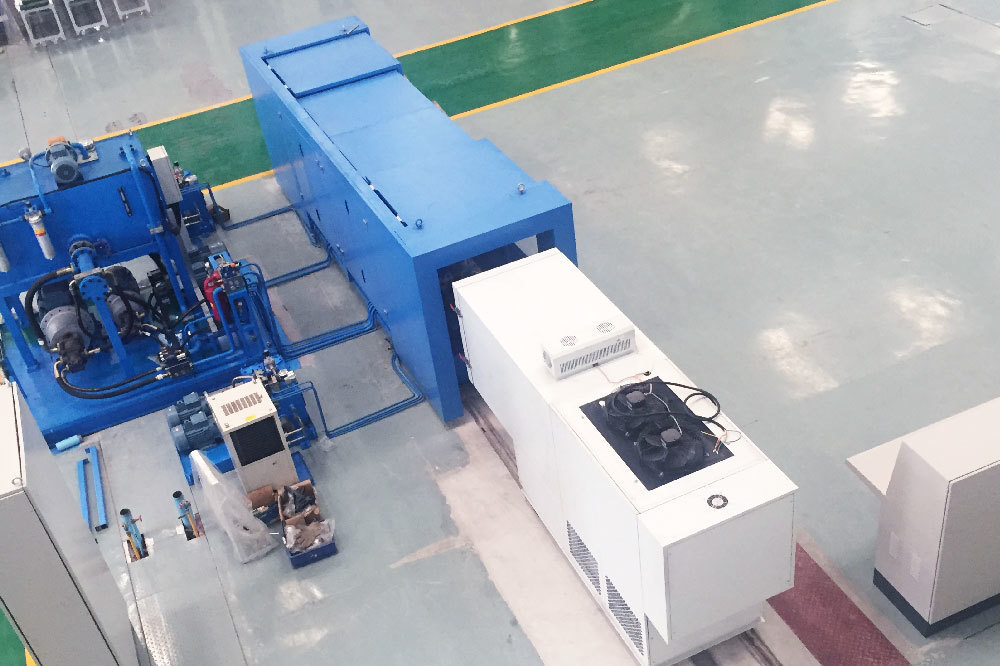
In the rapidly evolving automotive industry, ensuring optimal performance of hydraulic pumps is crucial. Hydraulic pump performance test benches serve as indispensable tools for technicians and automotive engineers, enabling precise diagnostics and efficient testing. These benches allow for real-time evaluation of hydraulic systems, ensuring that pumps function within their specified parameters. By utilizing these test benches, businesses can enhance their diagnostic capabilities, reduce downtime, and improve the overall quality of service offered to clients.
2. Understanding the Importance of Hydraulic Pumps in Automotive Systems
Hydraulic pumps play a pivotal role in various automotive systems, including braking, steering, and suspension. These components rely on hydraulic pressure generated by pumps to deliver power and facilitate smooth operation. A malfunctioning hydraulic pump can lead to severe performance issues, posing safety risks and increasing repair costs. Therefore, testing and diagnosing these pumps is essential for maintaining vehicle integrity and safety.
3. Key Features of Hydraulic Pump Performance Test Benches
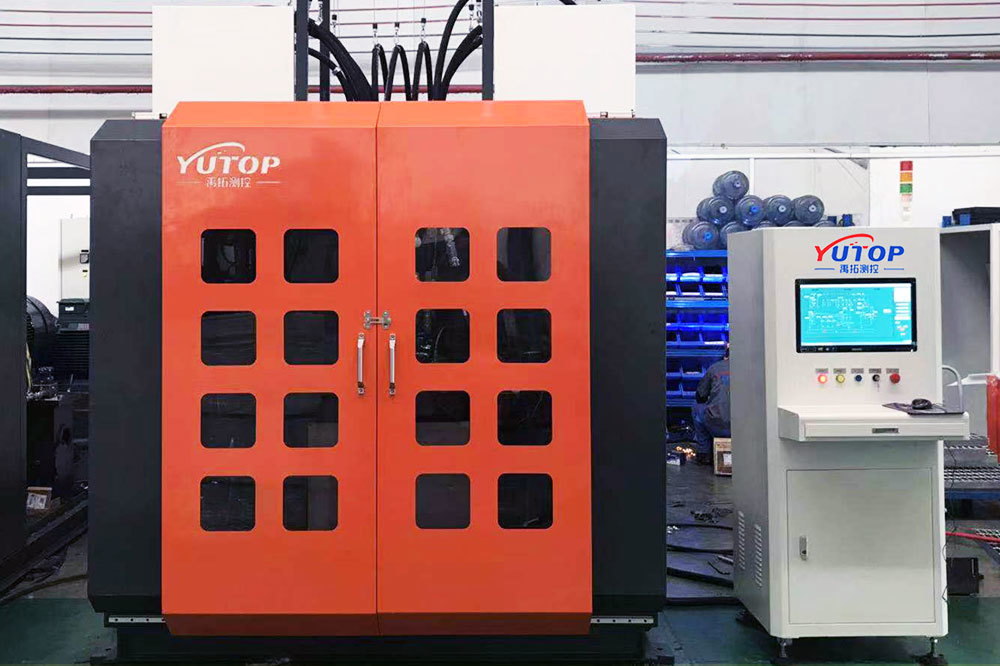
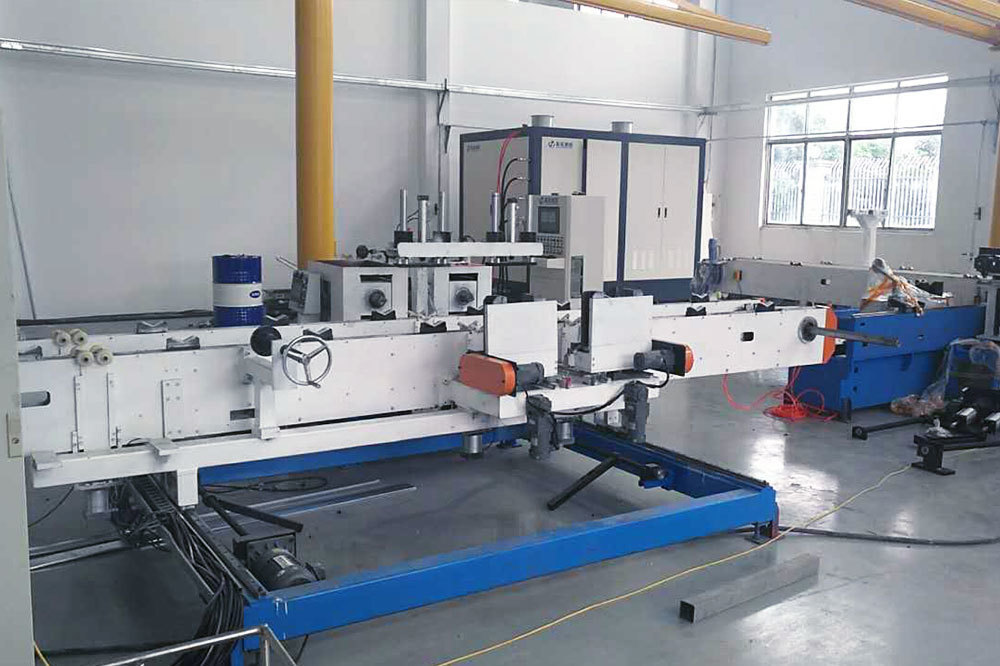
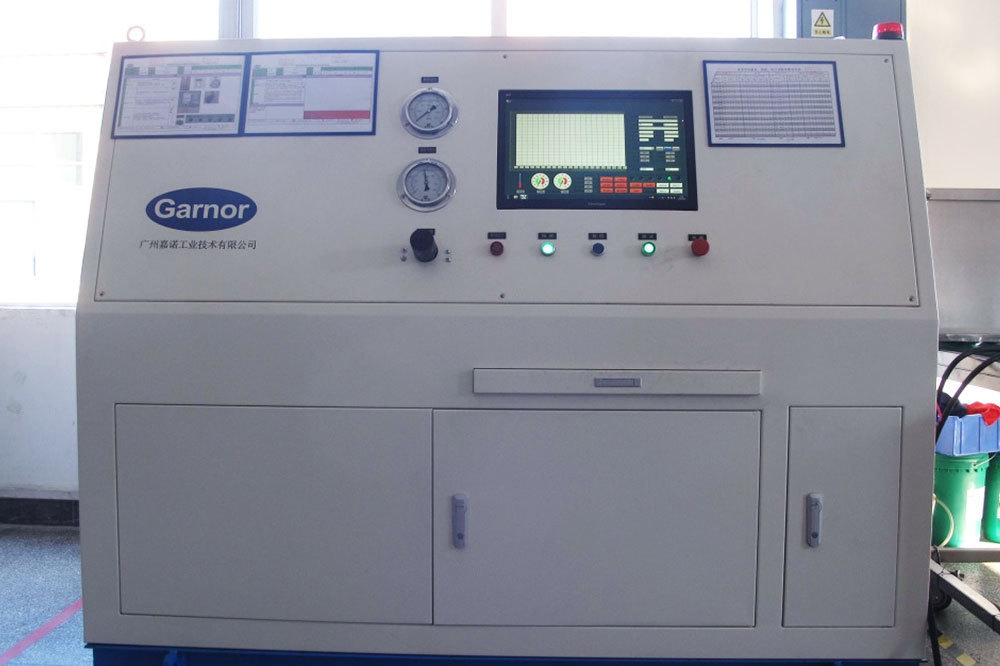
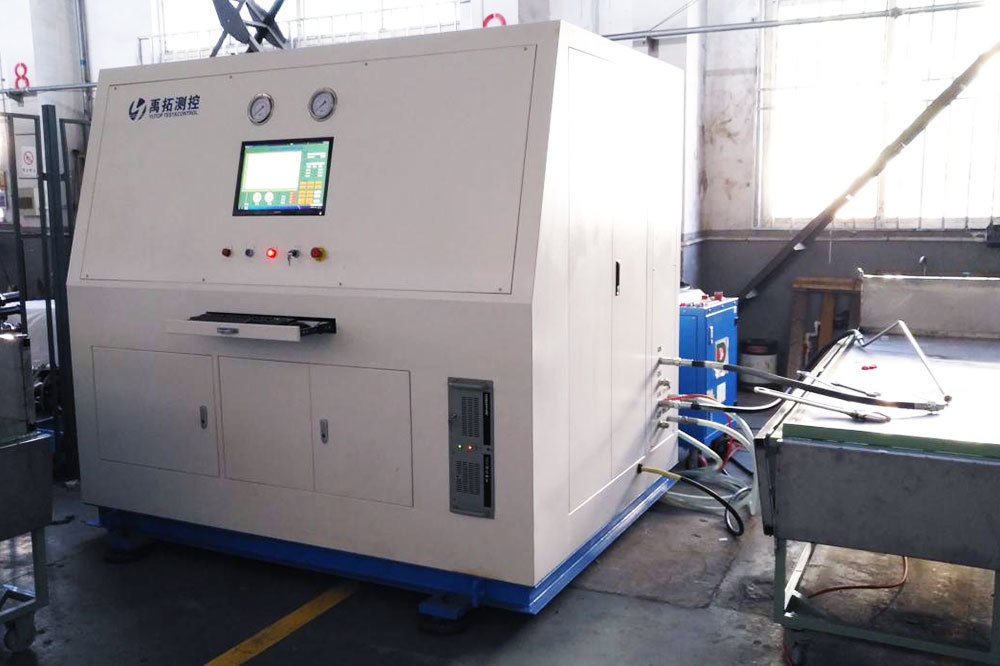
Modern hydraulic pump performance test benches are equipped with technology that allows for comprehensive testing of pump functionality. Key features include:
- **Automated Testing Processes**: Many benches come with automated systems that streamline the testing process, reducing human error.
- **Data Logging and Analysis**: Advanced models feature data logging capabilities, enabling technicians to monitor performance metrics over time.
- **Adaptability**: These benches can often accommodate various pump types, making them versatile tools in any workshop.
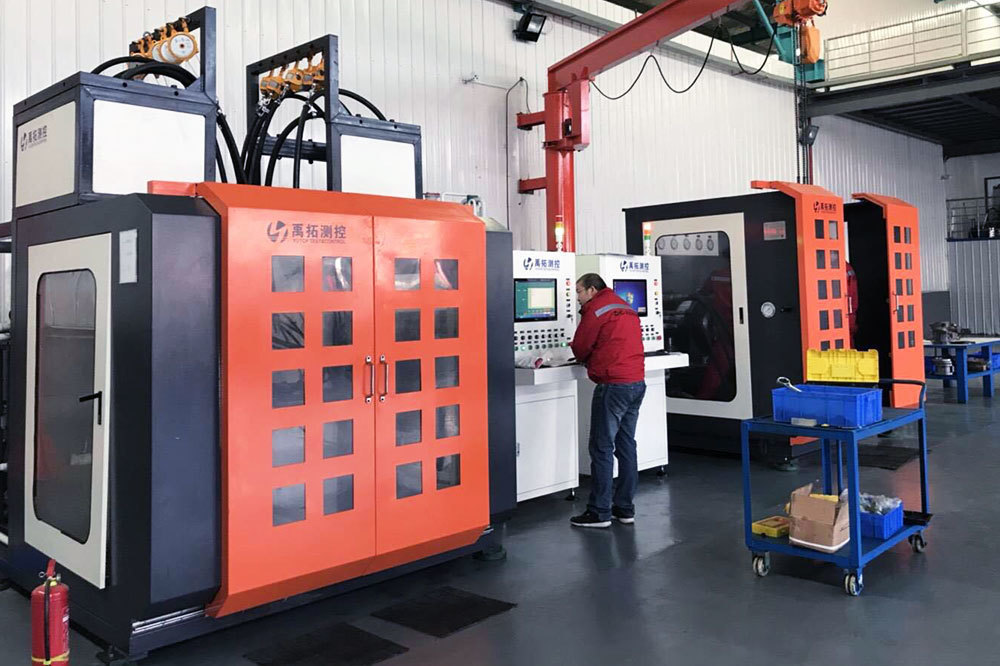
- **User-Friendly Interfaces**: Intuitive control panels simplify operation, allowing technicians to focus on diagnostics rather than handling complex machinery.
4. Benefits of Using Hydraulic Pump Test Benches
The adoption of hydraulic pump performance test benches brings a multitude of advantages:
- **Enhanced Diagnostic Accuracy**: By providing precise measurements, these benches reduce diagnostic ambiguity, enabling quicker resolutions to issues.
- **Increased Efficiency**: Automating the testing process saves time, allowing technicians to focus on other critical tasks.
- **Cost-Effective Solutions**: By identifying issues early, businesses can avoid costly repairs and reduce the risk of extended vehicle downtime.
- **Improved Customer Satisfaction**: With faster turnaround times and accurate diagnostics, customers are more likely to be satisfied with their service experience.
5. How to Choose the Right Hydraulic Pump Performance Test Bench
Selecting the appropriate hydraulic pump performance test bench involves several considerations to ensure it meets your specific needs.
5.1 Factors to Consider
When evaluating potential test benches, consider the following factors:
- **Pump Compatibility**: Ensure the bench can accommodate the types of hydraulic pumps used in your operations.
- **Testing Capabilities**: Look for benches that offer a range of testing options, including flow rate, pressure testing, and temperature monitoring.
- **Ease of Use**: A user-friendly interface enhances the testing experience and allows for quicker training of new technicians.
5.2 Recommended Brands and Models
Several manufacturers are recognized for producing high-quality hydraulic pump performance test benches. Notable brands include:
- **XYZ Instruments**: Known for their robust construction and versatility.
- **ABC Tech**: Offers data logging features and user-friendly interfaces.
- **Hydraulic Solutions Inc.**: Renowned for their accuracy and reliability in performance testing.
6. Best Practices for Utilizing Hydraulic Pump Performance Test Benches
To maximize the benefits of hydraulic pump performance test benches, technicians should adhere to best practices.
6.1 Regular Maintenance
Routine maintenance of the test bench itself is crucial for ensuring accurate results. This includes cleaning, lubrication, and inspection of all components.
6.2 Calibration Procedures
Establish a regular calibration schedule to ensure the accuracy of measurements. Calibration should be conducted following the manufacturer's recommendations to maintain optimal performance.
7. Common Issues and Troubleshooting
Despite their reliability, hydraulic pump performance test benches can experience issues. Common problems include:
- **Inaccurate Readings**: This may result from calibration issues or worn components.
- **Mechanical Failures**: Regularly inspect for signs of wear and tear to prevent mechanical failures during tests.
- **Software Glitches**: Keep software updated to ensure compatibility and functionality of automated features.
8. Conclusion
Hydraulic pump performance test benches are invaluable tools in the automotive industry, enhancing diagnostic capabilities and driving operational efficiencies. By investing in these test benches, automotive service providers can ensure their technicians have the necessary tools to conduct thorough diagnostics, ultimately leading to improved service quality and customer satisfaction. Embracing the latest technologies in hydraulic pump testing not only streamlines operations but also positions businesses for sustained success in a competitive market.
9. FAQs
1. What types of hydraulic pumps can be tested with these benches?
Most hydraulic pump performance test benches accommodate various types, including gear, vane, and piston pumps.
2. How often should hydraulic pump performance test benches be calibrated?
It's recommended to calibrate at least once a year or as specified by the manufacturer, especially if frequent use is involved.
3. What are some signs that a hydraulic pump needs testing?
Symptoms such as unusual noises, loss of pressure, and decreased performance indicate that a hydraulic pump may require testing.
4. Can hydraulic pump performance test benches be used for training purposes?
Yes, they can be excellent training tools, allowing new technicians to gain hands-on experience with hydraulic systems.
5. What is the average lifespan of a hydraulic pump performance test bench?
With proper maintenance, hydraulic pump performance test benches can last anywhere from 10 to 15 years or longer, depending on usage and care.
By following this guide, automotive professionals can significantly enhance their diagnostic capabilities, ensuring reliable and efficient service. Embrace the future of automotive diagnostics with hydraulic pump performance test benches as your key asset.

Room 207, 2nd Floor, Block C, Building 1 (Self-designated), No. 3 Yunkai Road, Yunpu Industrial Zone, Huangpu District, Guangzhou City,China


